


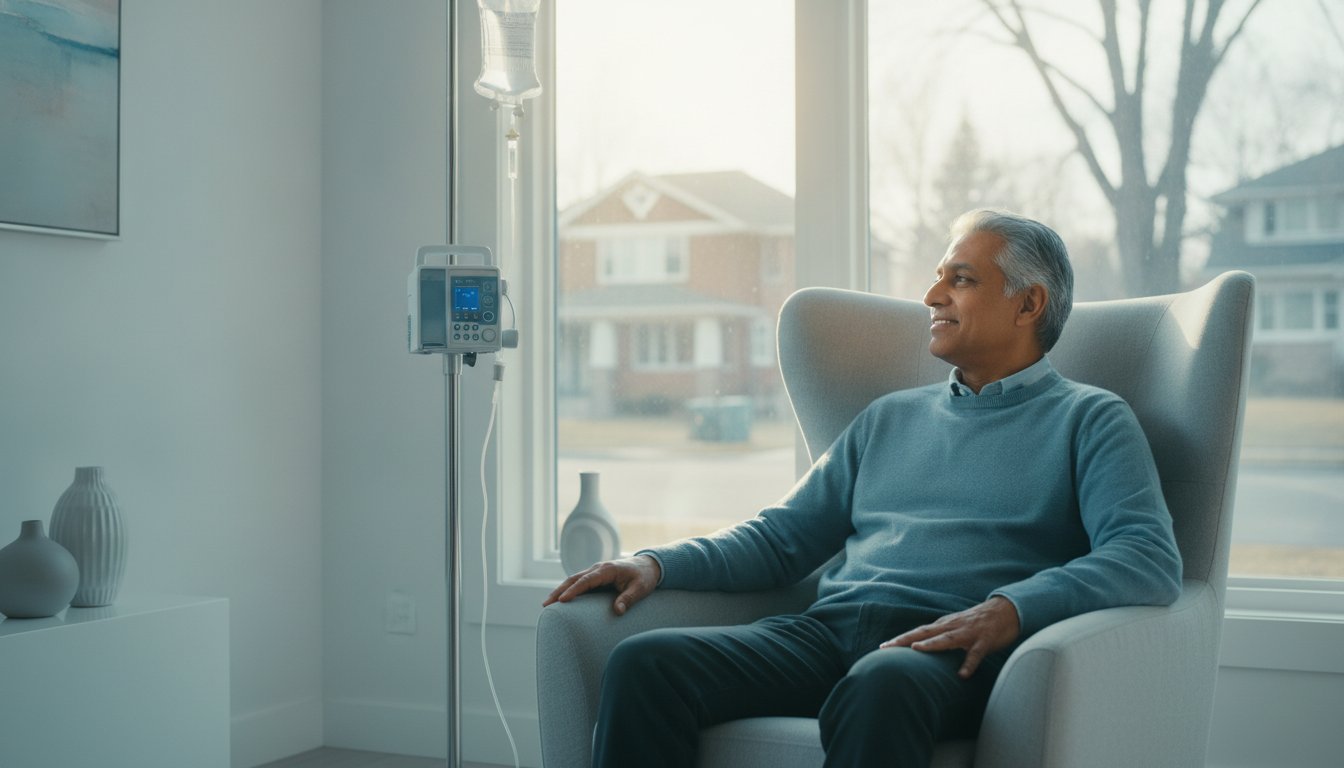
Imagine the relief of waking up in your own bedroom in Binghamton, knowing your heart is receiving the precise support it needs without a hospital gown in sight. For many neighbors managing advanced heart failure, the constant cycle of readmissions and the exhausting drives to specialty centers in Syracuse or Albany feel like a full-time job that drains your remaining energy. You shouldn’t have to choose between clinical safety and the comfort of your family home. Opting for inotropic therapy at home Binghamton allows you to reclaim those quiet moments on the porch or at the dinner table while maintaining the rigorous cardiac stability your condition requires.
It’s understandable to feel hesitant about moving such a critical treatment out of the intensive care unit, but modern home infusion services are designed to bridge that gap with expert precision and warmth. This 2026 guide explains how advanced medical technology and dedicated local support make it possible to receive life-sustaining infusions safely in your own environment. We will explore the practical steps for transitioning from a hospital bed to your home, the updated safety protocols for the current year, and how this specialized care plan restores both your mobility and your peace of mind.
Key Takeaways
- Understand how continuous intravenous medications support Stage D heart failure by strengthening heart contractions and improving overall cardiac output.
- Learn the distinct clinical roles of Dobutamine and Milrinone infusions in maintaining heart efficiency and reducing the need for constant hospital monitoring.
- Discover how inotropic therapy at home Binghamton offers a safer, more comfortable alternative to hospital stays by minimizing infection risks and promoting emotional well-being.
- Navigate the transition from hospital to home with a clear roadmap for discharge planning and insurance verification under the updated 2026 healthcare guidelines.
- Find a dedicated partner in Vital Care of Syracuse, combining national clinical excellence with a deep commitment to serving the Southern Tier community.
What is Inotropic Therapy at Home in Binghamton?
Inotropic therapy is a specialized form of intravenous medication designed to help a weakened heart pump more effectively. To understand what is an inotrope, it’s helpful to view these medications as a steady source of strength that improves the force of each heartbeat. For residents managing advanced conditions, inotropic therapy at home Binghamton provides a way to receive these life-sustaining infusions without being confined to a hospital wing. It offers a bridge to stability that prioritizes the patient’s comfort and personal dignity.
In 2026, the medical community has embraced home-based stability as a gold standard for patients with Stage D heart failure. This stage represents a point where traditional oral medications may no longer suffice to keep symptoms at bay. Continuous infusion therapy ensures that the heart receives a constant, precise dose of medication, reducing the severe fatigue and shortness of breath that often lead to emergency room visits. This shift toward home care is particularly meaningful for Binghamton’s aging community, where maintaining independence and staying close to family are top priorities.
To better understand how these infusions are managed in a domestic setting, watch this helpful video:
Who Qualifies for Home Cardiac Infusion?
Determining if a patient is a candidate for home-based care involves a collaborative assessment between cardiologists and home infusion specialists. Generally, this therapy serves two primary groups of individuals. First, those waiting for a heart transplant use it as a bridge to transplant, maintaining their strength until a donor organ becomes available. Second, it serves as a bridge to comfort for patients focusing on palliative care, where the goal is to manage symptoms and improve daily life. To qualify, a patient must have stable intravenous access and a supportive home environment where a caregiver or the patient can be trained on the infusion pump equipment.
The Southern Tier Context
For years, families in the Southern Tier often felt forced to choose between the comfort of home and the high-level specialty care found in larger cities. The stress of traveling to regional medical hubs in Syracuse or Albany can be physically taxing for someone with heart failure. By utilizing inotropic therapy at home Binghamton, patients can stay connected with their local cardiologists while receiving world-class clinical support. This local approach respects the 2026 clinical standards of excellence while ensuring that the patient remains surrounded by their community and loved ones. It’s about bringing the highest level of care to your doorstep, ensuring that the Southern Tier remains a place where you can heal with grace.
Specialized Medications: Dobutamine and Milrinone Infusions
The success of Inotropic therapy depends on the careful selection and delivery of medications that specifically target heart muscle function. For patients receiving inotropic therapy at home Binghamton, the two primary medications utilized are Dobutamine and Milrinone. These drugs aren’t interchangeable; rather, they’re chosen based on a patient’s unique hemodynamic profile. Dobutamine is often favored for its ability to stimulate beta-receptors, which strengthens the heart’s pumping action and increases overall cardiac output. This is particularly helpful for individuals whose hearts need a direct boost in contractile force to maintain systemic circulation.
Milrinone offers a different clinical advantage by acting as a phosphodiesterase inhibitor. It serves as a potent vasodilator, which means it relaxes the walls of the blood vessels. This relaxation reduces the resistance the heart must pump against, effectively lowering the cardiac workload while simultaneously improving heart efficiency. Because Milrinone doesn’t rely on the same receptors as Dobutamine, it’s often the preferred choice for patients who are also taking beta-blockers. Clinical pharmacists provide 24/7 monitoring of these therapies, ensuring that any subtle changes in a patient’s response are addressed with professional precision. If you have questions about how these medications are managed locally, Vital Care of Syracuse offers dedicated clinical support to guide your family through the process.
Dobutamine vs. Milrinone: Understanding the Difference
While both medications aim to stabilize heart function, their interaction with heart muscle cells differs significantly. Dobutamine provides a direct boost to the heart muscle, making it highly effective for acute stabilization. Milrinone provides a more balanced approach by addressing both the pump and the circulatory system. Your cardiologist will select the most appropriate agent based on factors like kidney function and heart rhythm history. Modern, automated dosing systems ensure these medications are delivered with micro-gram precision, which significantly reduces the risk of side effects like arrhythmias.
Living with a Portable Infusion Pump
The 2026 generation of portable infusion pumps has transformed the experience of home care. These devices are now exceptionally lightweight and discreet, often fitting easily into a small shoulder bag or even a specialized vest. This allows patients to move freely around their Binghamton homes or attend family gatherings without feeling tethered to a bulky machine. These pumps feature extended battery lives and intuitive interfaces, making charging and basic maintenance straightforward for caregivers managing inotropic therapy at home Binghamton. Reliable, whisper-quiet operation ensures that life continues with minimal interruption, allowing the focus to remain on comfort and quality time rather than the mechanics of the medical equipment.

Safety and Quality of Life: Home Infusion vs. Hospital Stays
Choosing between a hospital room and your own living room isn’t just about comfort; it’s a vital clinical decision. While hospitals provide essential acute care, the risk of healthcare-associated infections is a real concern for those with compromised heart function. By opting for inotropic therapy at home Binghamton, you significantly reduce exposure to the pathogens often found in clinical settings. This safer environment allows your body to focus entirely on stabilization without the added stress of a sterile, unfamiliar ward.
The psychological benefits of being home are just as critical as the clinical ones. Healing happens best where you feel most secure. Waking up to the familiar sights of the Southern Tier, sharing meals with family, and maintaining your social routine in Binghamton all contribute to a positive outlook. This emotional resilience often translates into better physiological outcomes, as lower stress levels help maintain a steadier heart rhythm. Home-based care also serves as a cost-effective alternative to long-term hospitalizations, helping families manage the financial landscape of 2026 without sacrificing the quality of clinical support.
Reducing Hospital Readmissions in the Southern Tier
Many local families are familiar with the “revolving door” cycle of emergency room visits at UHS Wilson. These frequent readmissions are exhausting and often stem from minor symptom changes that escalate because they aren’t caught early. Home infusion stability breaks this cycle through several key mechanisms:
- Continuous Medication Delivery: Maintaining steady drug levels prevents the acute dips that trigger emergency room visits.
- Early Symptom Detection: Our home infusion nurses identify subtle changes in weight or breathing before they become emergencies.
- Reduced Environmental Stress: Staying in a familiar environment lowers cortisol levels, which supports overall cardiac efficiency.
This proactive approach keeps you out of the hospital and firmly planted in your daily life, allowing you to focus on recovery rather than logistics.
Empowering Patients and Caregivers
Transitioning to home care doesn’t mean you’re left to navigate complex medical equipment on your own. We provide comprehensive, hands-on training for both patients and their loved ones, ensuring you feel confident in every aspect of the therapy. Our team adopts a “Compassionate Expert” approach, offering the steady hand of a clinician alongside the warmth of a dedicated advocate. We believe that an informed caregiver is a patient’s best asset, so we prioritize transparency and education at every step. Having 24/7 access to a clinical pharmacist provides the absolute peace of mind that expert help is always just a phone call away, regardless of the hour.
Transitioning to Home Care from Binghamton Medical Centers
The journey from a hospital room to the comfort of your own living room is a significant transition that requires careful, professional orchestration. For those preparing for inotropic therapy at home Binghamton, the process begins well before you leave the medical center. Our team works directly with hospital discharge planners to ensure that every clinical detail is captured and every logistical hurdle is cleared. This coordination is essential for maintaining the stability you’ve achieved during your inpatient stay while providing a clear path toward independence. It’s a team effort.
Navigating the financial aspects of home infusion in 2026 requires a partner who understands the evolving healthcare environment. We act as your financial advocate, verifying insurance coverage and navigating current reimbursement structures to ensure your focus remains on healing. Our goal is to remove the administrative burden from your family, providing transparency and clarity regarding the support available for your specific therapy plan. If you’re ready to explore how we can support your transition, contact our clinical team today to discuss your specific needs.
Collaborating with UHS and Lourdes
A successful handoff depends on seamless communication between your Southern Tier cardiac teams and our infusion specialists. Whether you are transitioning from UHS Wilson Medical Center or Lourdes Hospital, we maintain active lines of dialogue with your local Binghamton cardiologists. This ensures that clinical data, such as your most recent echocardiograms and laboratory results, follows you home. Typically, the transition happens within 24 to 48 hours of your discharge, ensuring there is no gap in your medication delivery.
Your First Week on Home Inotropes
The first seven days of home care are designed to build your confidence and establish a steady rhythm. During this time, we provide a structured support system to ensure you feel secure in your new environment. You’ll never feel like you’re managing inotropic therapy at home Binghamton alone; we’re here to guide you through every adjustment until the routine feels like second nature. Our initial week of care includes:
- Daily Check-ins: Professional monitoring of vital signs to ensure your heart is responding well to the home setting.
- Equipment Calibration: Verifying that your portable pump is delivering medication with micro-gram precision.
- Caregiver Empowerment: Hands-on training for your family on emergency protocols and simple maintenance tasks.
This period of adjustment is handled with the “Compassionate Expert” approach, meaning we provide the clinical rigor you need alongside the emotional reassurance your family deserves. We believe that by the end of your first week, the equipment will feel less like a medical device and more like a quiet partner in your journey toward stability.
Why Vital Care of Syracuse is the Trusted Choice for Binghamton
Vital Care of Syracuse represents a unique intersection of high-level clinical excellence and genuine local accountability. We understand that residents of Broome County value reliability and personal connection, especially when managing complex conditions like heart failure. Our clinical team combines the rigor of national standards with the warm, attentive touch of a locally owned provider. This ensures that when you receive inotropic therapy at home Binghamton, you aren’t just a number in a database; you’re a neighbor receiving the highest caliber of cardiac support. We view ourselves as protective advocates for our patients, prioritizing their dignity and comfort above all else.
Our commitment to the Southern Tier extends beyond simple medication delivery. We provide expert nursing support throughout the region, ensuring that professional guidance is always accessible. By maintaining a presence right here in Central New York, we can respond to the needs of our patients with a speed and familiarity that distant corporations simply can’t match. This steady, reliable hand provides a sense of security for families who are navigating the challenges of advanced heart disease in 2026. We believe that clinical expertise is most effective when it’s delivered with a heart for the community.
The Vital Care Difference: Personalized Infusion
Every heart is different, and every home environment has its own unique requirements. We don’t believe in one-size-fits-all care plans. Our clinical pharmacists are local professionals who are directly accessible to you, ensuring you never have to navigate a distant call center when you have questions about your medication. This personalized approach allows us to provide home infusion for advanced illness Binghamton, integrating various therapies to support your overall well-being. Whether it’s managing complex cardiac needs or providing respiratory support, our team ensures your care plan is as unique as you are. We prioritize transparency and thoroughness, so you always know exactly what to expect from your treatment.
Taking the Next Step Toward Cardiac Stability
Starting the transition to home-based care begins with a simple conversation with your cardiologist or hospital discharge team. Expressing your desire for inotropic therapy at home Binghamton early in the process allows for a more coordinated handoff. There are distinct advantages to choosing a local home infusion company in Central New York, including faster response times and a team that truly knows the Southern Tier medical landscape. Our Binghamton-area specialists are available to consult with your providers, ensuring that every safety protocol is met before you cross your threshold. You deserve a partner who is both technically proficient and emotionally present throughout this journey, helping you reclaim the comfort and stability of home.
Reclaiming Your Life and Heart Stability at Home
Transitioning from a sterile clinical setting to your own living room is more than just a change of scenery; it’s a profound commitment to your long-term quality of life. By choosing inotropic therapy at home Binghamton, you benefit from our specialized expertise in advanced heart failure while remaining in the environment where you feel most secure. This approach effectively breaks the exhausting cycle of hospital readmissions and allows you to focus on meaningful moments with your family rather than the logistics of medical travel.
As a locally owned and operated provider in Central NY, we offer the precision of national clinical standards with the warmth of a dedicated neighbor. Our 24/7 clinical pharmacist availability ensures that you’re never navigating your cardiac journey alone, providing a steady hand whenever you need it most. If you’re ready to bridge the gap between hospital care and home comfort, Request a Cardiac Home Infusion Consultation today to discuss your path to stability. You deserve a care plan that respects both your complex medical requirements and your personal independence.
Frequently Asked Questions
Is inotropic therapy at home safe for elderly patients?
Home-based care is highly safe for seniors because it minimizes exposure to hospital-acquired infections and the stress of clinical environments. For many elderly residents, the familiarity of their own surroundings in Broome County reduces the risk of confusion or delirium often associated with prolonged hospital stays. Our team ensures that the home environment is properly prepared and that all safety protocols are strictly followed to maintain cardiac stability.
What happens if the infusion pump alarms at night?
If an alarm sounds, you will follow the specific troubleshooting steps provided during your initial training to identify the cause. Most alarms are simple notifications regarding low batteries or minor line occlusions that can be resolved quickly by the patient or caregiver. However, you’re never alone in these moments; our clinical pharmacists are available 24/7 by phone to guide you through the process or determine if further intervention is necessary.
Will my insurance cover home inotropic therapy in Binghamton?
Most insurance providers, including Medicare and New York State Medicaid, provide coverage for inotropic therapy at home Binghamton when clinical necessity is established. Our team acts as your advocate by handling the verification process and navigating the 2026 reimbursement landscape on your behalf. We work to ensure that financial concerns don’t stand in the way of receiving life-sustaining cardiac care in your preferred environment.
Can I leave my house while receiving continuous infusion?
You can absolutely maintain a level of mobility and leave your house while receiving your continuous infusion. The lightweight, battery-operated pumps are designed to fit into discreet carrying cases, allowing you to attend local events or visit friends in the Southern Tier. This flexibility is a cornerstone of home-based therapy, as it encourages physical activity and social engagement which are vital for your overall well-being and recovery.
How do I transition from UHS Wilson or Lourdes to home infusion?
Transitioning from UHS Wilson or Lourdes begins with a referral from your cardiologist to our clinical team while you are still inpatient. We coordinate directly with your hospital discharge planner to manage the handoff of clinical data and the delivery of equipment to your residence. This seamless process ensures that your first dose of home medication is ready exactly when you arrive, preventing any interruption in your therapy.
What kind of support does Vital Care provide for caregivers?
We provide comprehensive, hands-on training and 24/7 clinical access to ensure caregivers feel confident and supported in their role. Our team recognizes the emotional weight of caregiving and offers a steady, reliable hand to help you manage the therapy technical aspects with ease. We view caregivers as essential partners in the health journey and prioritize their peace of mind throughout the entire treatment period.
Do I need a 24-hour caregiver to have inotropes at home?
Most clinical protocols require a designated caregiver to be present or available to assist with the infusion process and monitor the equipment. While the pumps are highly automated, having a second person ensures that any equipment alarms or physical changes are addressed immediately for safety. We work with families to determine the best support structure to ensure that inotropic therapy at home Binghamton remains a sustainable option.
How often will a nurse visit my home in Binghamton?
A specialized infusion nurse typically visits your Binghamton home at least once a week to perform a comprehensive assessment and change your intravenous dressing. During the first week of therapy, visits may be more frequent to ensure you are adjusting well to the equipment and medication. These scheduled check-ins provide a vital opportunity to review your progress and adjust the care plan in coordination with your cardiologist.
Leave a Reply