



Insurance often covers SCIG therapy at home in Albany when it’s medically necessary, though many health plans require prior authorization for immune globulin. Home treatment can also offer a different rhythm from clinic-based infusions: SCIG is commonly given in smaller amounts on a regular schedule, often weekly, depending on the treatment plan.
It’s understandable to want clear answers about coverage, timing, and how care is supported at home before making a decision. This guide explains what insurance review may involve, how treatment scheduling can fit everyday life, and what caregiver training and professional monitoring can look like. You’ll also learn how a home infusion team can support the process so you can discuss the next steps with a clearer sense of what to expect.
Key Takeaways
- Learn what medical necessity and prior authorization can mean when an insurer reviews coverage for home treatment.
- See how an individualized infusion schedule may shape treatment around everyday routines.
- Understand how caregiver instruction and clinical monitoring can support care at home.
- Find out what to expect from a home infusion team and how it can help coordinate immunoglobulin therapy.
Does insurance cover SCIG at home?
Insurance coverage for SCIG depends on the diagnosis, prescribed therapy, and the health plan’s rules. Many plans require prior authorization for immune globulin. The plan also determines what aspects of home administration are covered.
SCIG delivers immunoglobulin through tissue under the skin, rather than into a vein. Smaller doses are commonly administered weekly, though schedules vary. For primary immunodeficiency, intravenous immunoglobulin is typically given every 3 to 4 weeks, compared with weekly SCIG for most products.
SCIG is commonly used for primary immunodeficiency. Listed products are approved for adults and children 2 years and older for this condition. Immunoglobulin therapy may also benefit people with CIDP, myositis, or stiff-person syndrome. The diagnosis and prescribed product shape treatment eligibility.
In Albany, relevant providers like Vital Care of Syracuse offer home-infusion services providing immunoglobulin therapy. At home, trained patients or caregivers may administer SCIG after instruction. In a care center, clinical staff oversee the infusion. The setting affects who administers treatment and what support is available during the session.
Training covers the prescribed schedule, equipment handling, infusion-site observation, and what to do if a reaction occurs. A clinician demonstrates the process and observes practice. Patients can ask questions before home administration begins. A caregiver may also take part when the patient needs help.
Dose and frequency follow the individual treatment plan and response. For primary immunodeficiency, Hizentra may be administered weekly, every two weeks, or 2 to 7 times a week. The prescribed schedule is specific to the treatment, so another product’s schedule isn’t interchangeable.
Providers explain how to recognize a reaction, whom to contact, and when urgent help is needed. The National Institutes of Health notes that headache may begin 6-12 h after an infusion and last between 24 and 72 h. Clear instructions help patients and caregivers know how to respond.
Treatment scheduling and daily-life flexibility
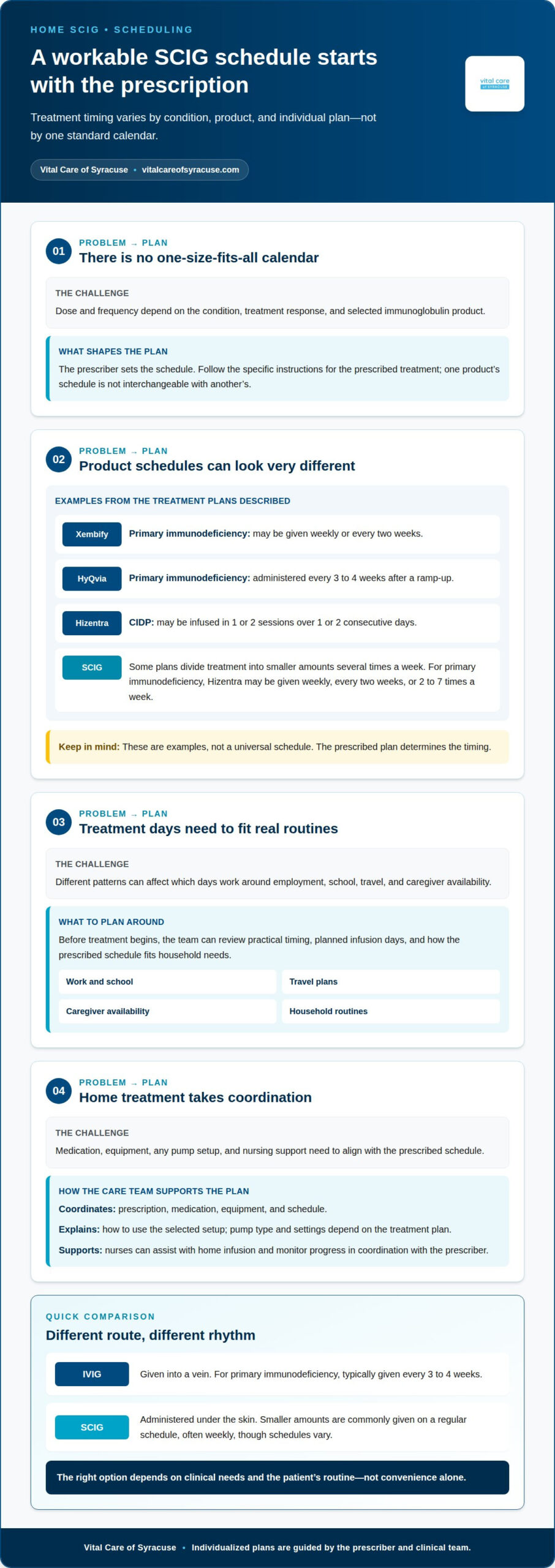
A workable schedule starts with the prescription, not a standard calendar. The prescriber sets the dose and frequency according to the condition, treatment response, and selected immunoglobulin product. For primary immunodeficiency, Xembify may be given weekly or every two weeks. For the same condition, HyQvia is administered every 3 to 4 weeks after a ramp-up.
Other plans use different patterns. For CIDP, Hizentra may be infused in 1 or 2 sessions over 1 or 2 consecutive days. Some SCIG plans divide treatment into smaller amounts several times a week. These options can shape which days work best around employment, school, travel, and caregiver availability. For patients planning SCIG therapy at home in Albany, those practical details can help frame a scheduling conversation.
IVIG and SCIG involve different administration methods and schedules. IVIG is given into a vein, while SCIG is administered under the skin. SCIG may be scheduled more frequently and can be given at home when appropriate. The right option depends on clinical needs and the patient’s routine, not convenience alone.
A pump may be included in the prescribed setup. The care team coordinates the prescription, medication, equipment, and schedule, and explains how to use the selected setup. Pump type and settings depend on the treatment plan, so patients should follow the instructions provided by their clinical team.
For Albany patients, home infusion is coordinated with the prescriber’s treatment plan. Nurses can support home infusion and monitor progress, while coordination helps align medication, supplies, and nursing support with the prescribed schedule. A plan for SCIG therapy at home in Albany can also take household routines into account.
Before treatment begins, the prescription guides the initial plan. The team can review practical timing, planned infusion days, and how the schedule fits the household’s needs. If home infusion support is part of the plan, explore home infusion services as a care option.
Caregiver training and professional monitoring
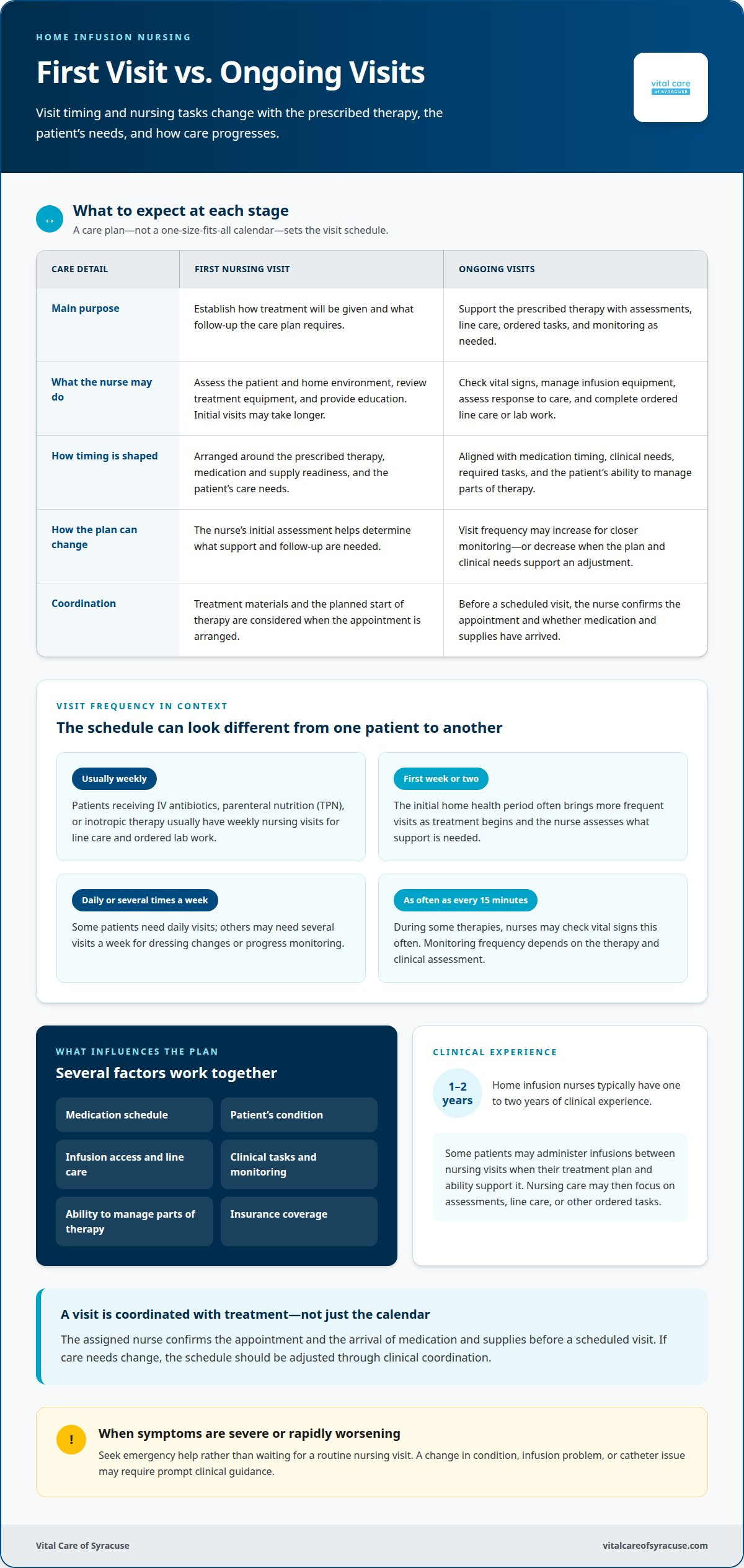
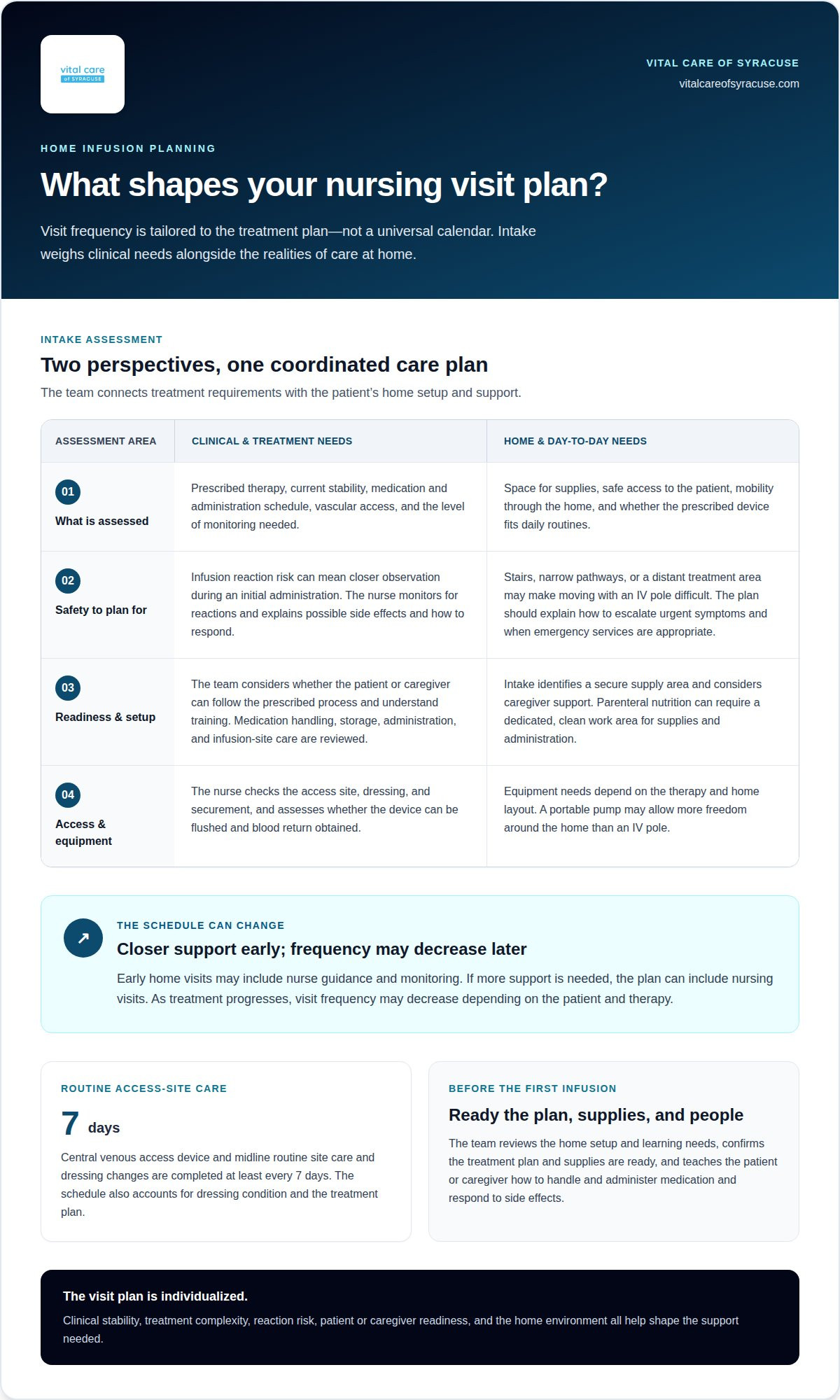
For patients in Albany, home infusion nurses can support treatment and monitor progress in coordination with the prescribing clinical team. The team considers the patient’s response and comfort when reviewing care. This professional support can help patients and caregivers incorporate home SCIG into their routine.
Training helps patients and caregivers understand the prescribed plan before home administration. The nurse explains the treatment schedule and how the patient or caregiver should follow the instructions for the prescribed infusion. Patients can discuss concerns during instruction and ask the care team to clarify any part of the plan they find difficult.
Professional support continues after training. Nurses can monitor progress during home infusion, while the clinical team considers the patient’s response and comfort. Sharing treatment experiences with the prescribing team helps inform its review of the plan.
Stay in touch with the care team about infusion-site reactions. The U.S. Food and Drug Administration’s product labels describe mild-to-moderate infusion-site reactions as common and advise contacting a healthcare professional if a reaction worsens or lasts more than a few days. This guidance helps patients and caregivers know when to seek professional attention.
Caregivers can help patients follow the prescribed schedule and share observations with the nurse or clinical team. They should follow the patient-specific treatment instructions rather than change the plan themselves. For example, a new concern about comfort or an infusion-site reaction is useful information to share with the care team.
For Albany patients receiving SCIG, home infusion nurses can support treatment and monitor progress in coordination with the prescribing clinical team. Nurses provide practical support at home, while the clinical team reviews the patient’s response and comfort.
SCIG therapy at home
Home SCIG brings immunoglobulin treatment into a patient’s regular routine, with clinical oversight supporting care. The key is a plan matched to the prescribed product, condition, and schedule. For people in Albany, a home-infusion team can coordinate professional support around that plan.
Product instructions matter. Gammagard Liquid is a 10% solution that can be administered under the skin weekly for primary immunodeficiency, or by vein. The prescribed route determines how treatment is delivered. A patient’s schedule and support needs also shape how home infusion fits into daily life.
Common side effects include local reactions, such as slight swelling or redness at the infusion site. The U.S. Food and Drug Administration advises contacting a healthcare professional if a reaction worsens or lasts more than a few days. Serious or worsening concerns need timely clinical guidance; the care team can explain warning signs for the prescribed product.
Home treatment does not mean managing care without professional support. Nurses can support home infusion and monitor progress, while the clinical team reviews the patient’s response and comfort. Sharing observations from home helps inform treatment decisions.
A home plan connects the prescription, medication, schedule, and professional support. The patient and care team can discuss how treatment fits household routines and who will be involved. If the plan needs to change, the clinical team guides updates; patients should not change prescribed treatment on their own.
For help coordinating home immunoglobulin therapy, connect about home infusion support. A treatment discussion can clarify how professional support fits the prescribed SCIG plan.
Vital Care of Syracuse: Immunoglobulin (IVIG/SCIG)
Vital Care of Syracuse provides immunoglobulin therapy, including IVIG and SCIG, through its home infusion services. If your treatment plan calls for immunoglobulin and you’re considering home care, the team can discuss how home infusion may fit your prescribed therapy.
Bring your treatment plan and questions about scheduling, caregiver involvement, and professional monitoring into the discussion. These details help clarify the support involved and how care can align with your prescribed treatment. Your clinician’s recommendations remain central to choosing and managing therapy.
Contact Vital Care of Syracuse to discuss immunoglobulin home infusion.
Make your next step a coordinated one
Planning SCIG therapy at home in Albany starts with a conversation about how prescribed treatment fits your care goals and household routine. Ask how professional support connects with your treatment plan. A clear discussion can help you understand the next step without feeling rushed to decide.
Vital Care of Syracuse provides immunoglobulin therapy, including IVIG and SCIG, as well as anti-infective therapy and parenteral nutrition (TPN). If you’re considering home infusion for immunoglobulin therapy, the team can discuss how its services relate to your care needs. Treatment decisions and insurance coverage depend on your clinical plan and health plan requirements.
Contact Vital Care of Syracuse to discuss immunoglobulin home infusion and your next steps. A thoughtful conversation can help you move forward with greater clarity and confidence.
Frequently Asked Questions
What is SCIG?
SCIG stands for subcutaneous immunoglobulin therapy. It delivers immunoglobulin through the tissue under the skin rather than directly into a vein. The medication provides antibodies as part of treatment for conditions such as primary immunodeficiency. The prescribed product, dose, and schedule depend on the patient’s treatment plan, so there is no single standard SCIG regimen.
Can a provider train patients to self-administer SCIG at home?
Yes. A clinical team can teach patients to administer prescribed SCIG at home, and a caregiver can participate when support is needed. Training should cover the patient’s specific medication and instructions. A nurse can explain how to follow the prescribed plan and where to direct questions before home administration begins.
What supplies does SCIG at home require?
Supplies depend on the prescribed medication and administration setup. Home infusion arrangements may include medication and related equipment, with a pump when the treatment plan calls for one. The infusion team coordinates supplies for the planned therapy and explains how to use them. Patients should follow the instructions for their specific setup rather than substitute equipment.
What is SCIG therapy and how is it administered at home?
SCIG is immunoglobulin delivered under the skin through a prescribed infusion. At home, the patient or a trained caregiver follows the treatment plan and uses the medication and equipment arranged for the therapy. The care plan specifies the schedule and administration method. Professional support can help coordinate home treatment and answer questions about the plan.
How do providers set up home SCIG therapy, including training and equipment?
Home infusion starts with the prescription and coordination among the patient’s healthcare professionals. The infusion provider can assist with treatment planning, insurance steps, caregiver training, and supply delivery. A nurse explains the home-care instructions and equipment for the prescribed infusion. This coordination connects medication, supplies, and practical support with the patient’s treatment plan.
How much does home SCIG therapy cost in Albany, and what do insurance plans cover?
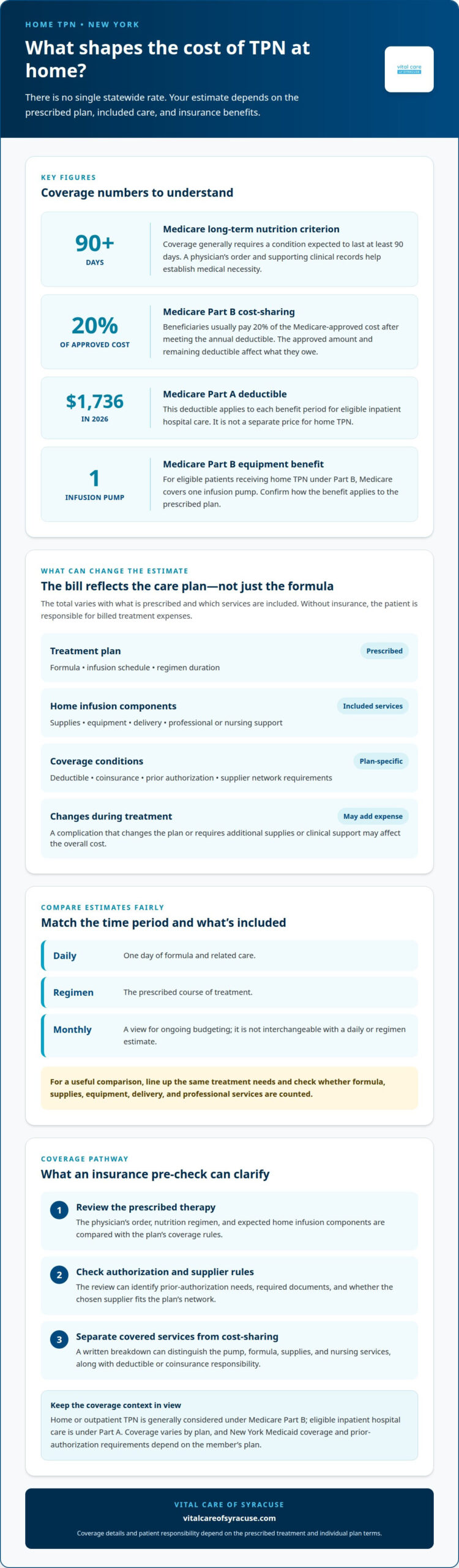
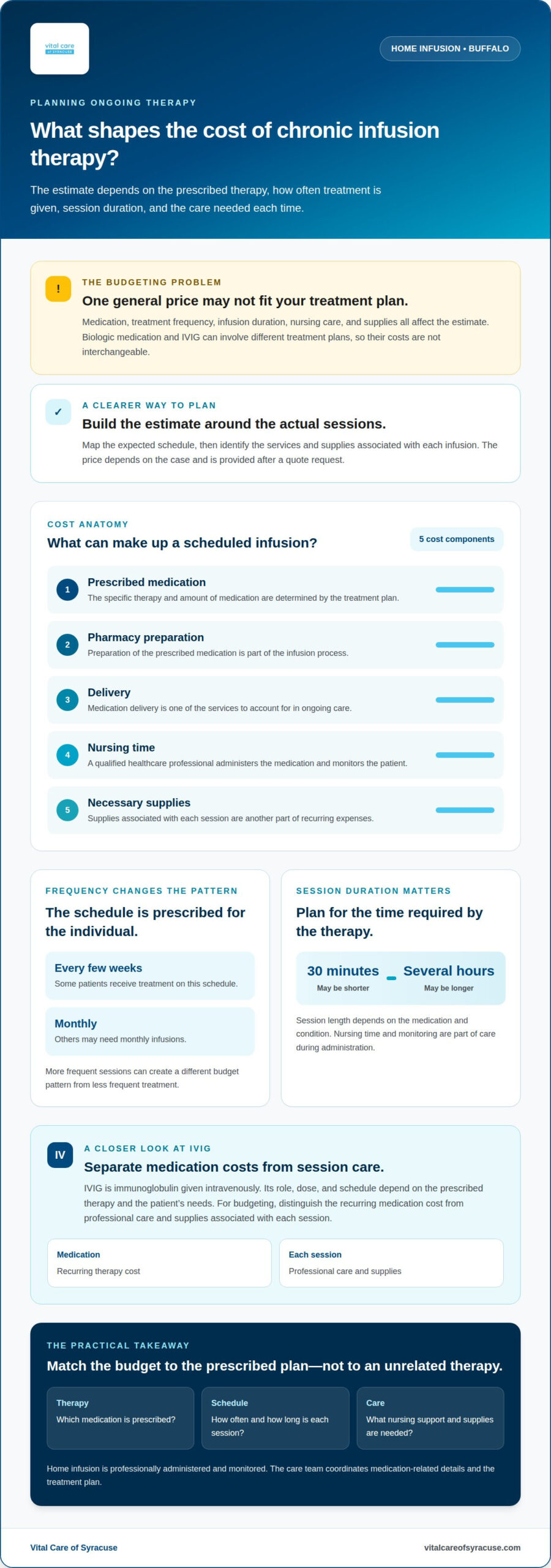
The cost of home SCIG varies according to the prescribed treatment and the patient’s insurance plan, so there is no single price for everyone. Coverage depends on medical necessity and plan requirements, and many health plans require prior authorization for immune globulin. Insurance support can include benefit verification, authorization assistance, and reimbursement coordination to help clarify coverage and patient responsibility.
Leave a Reply