


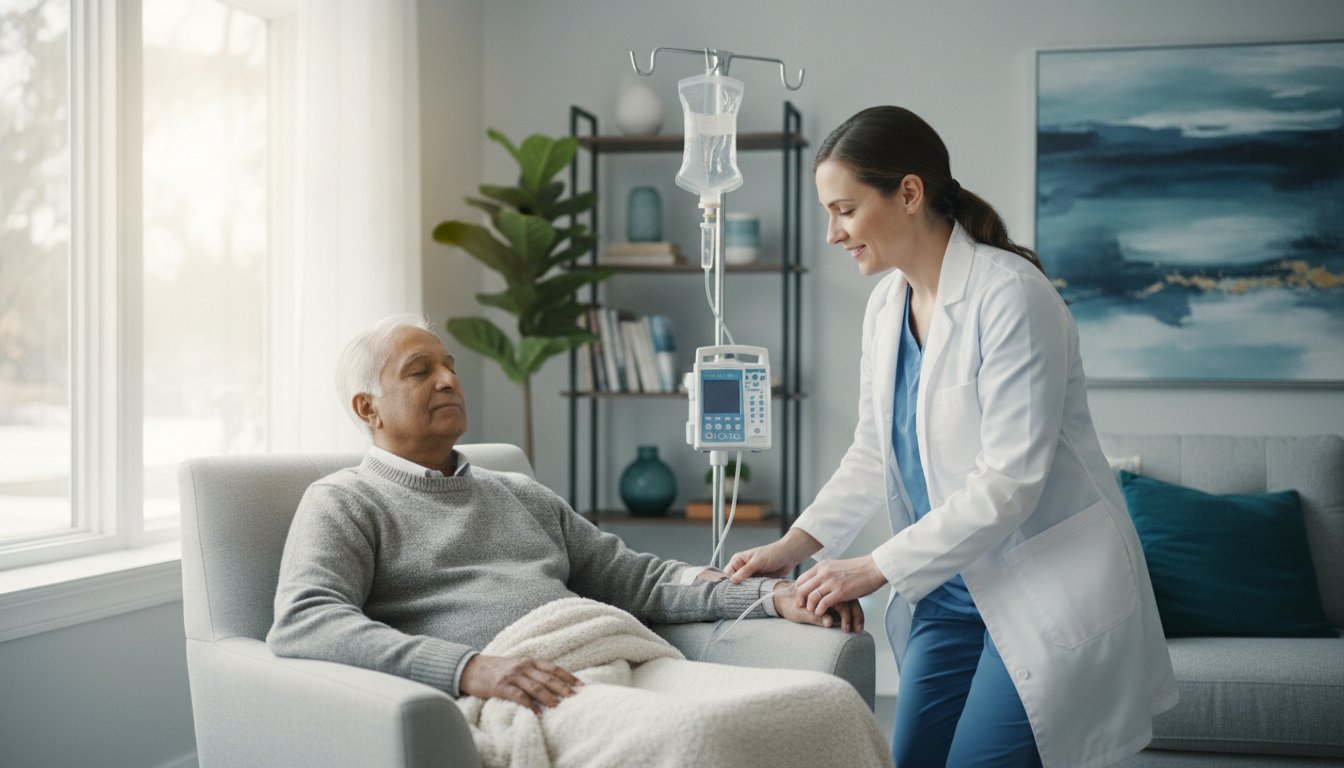
What if the most sophisticated medical care for your loved one didn’t require the sterile confinement of a hospital room? For many families navigating complex diagnoses, the constant cycle of readmissions and the emotional toll of travel can feel overwhelming. Choosing home infusion for advanced illness Binghamton allows patients to receive life-sustaining treatments, like inotropic therapy or parenteral nutrition, in the sanctuary of their own living rooms. It’s a shift that prioritizes the patient’s spirit as much as their physical health.
You likely want the highest standard of clinical excellence but feel exhausted by the logistical strain of facility-based care. It’s natural to feel anxious about whether home-based treatment can truly match the safety and precision of a hospital setting. This guide will show you how specialized home infusion provides a safe, compassionate, and clinically advanced alternative that maintains medical stability without sacrificing the comforts of home. We’ll explore the specific therapies available to the Southern Tier community, from IVIG to Alpha-1 treatments, and explain how a local clinical team coordinates every detail to ensure a seamless transition from the hospital to your front door.
Key Takeaways
- Understand how home infusion for advanced illness Binghamton allows patients to receive hospital-level clinical therapy while maintaining the comfort and dignity of their own residential setting.
- Explore specialized treatments such as inotropic therapy for heart failure and parenteral nutrition (TPN) that are safely administered outside of intensive care units.
- Learn about the rigorous safety protocols and expert nursing oversight that ensure medical stability and peace of mind for families in the Southern Tier.
- Discover the collaborative process between local providers and hospitals like UHS Binghamton General or Wilson Medical Center to streamline the transition to home-based care.
- Gain insight into how a dedicated clinical team manages insurance authorizations and complex medication coordination to alleviate the emotional and administrative burden on caregivers.
Redefining Advanced Illness Care: The Role of Home Infusion
Sophisticated medical care doesn’t always require a hospital bed. Home infusion for advanced illness Binghamton is transforming the patient experience by delivering hospital-level clinical therapy directly in a residential setting. This model allows for the administration of complex medications, such as inotropes or anti-infectives, through intravenous or subcutaneous routes managed by specialized clinicians. It’s a compassionate shift that prioritizes quality of life and patient dignity, ensuring that even the most intensive health journeys can continue in a place of comfort rather than a sterile facility.
Many families in the Southern Tier are choosing these alternatives because they recognize the profound psychological benefits of healing in a familiar environment. Being surrounded by family, pets, and personal belongings can significantly reduce the anxiety often associated with long-term hospital stays. This emotional stability is a critical component of care, helping patients maintain a sense of self while receiving the high-level clinical support they need to remain medically stable without frequent readmissions.
Bridging the Gap Between Hospital and Home
Specialized pharmacy services replicate the safety of a clinical wing by using advanced compounding technology and rigorous monitoring protocols. These personalized care plans are tailored to manage complex, long-term conditions with precision, ensuring that safety is never compromised for comfort. Home infusion serves as a vital clinical bridge for advanced illness patients in 2026, ensuring that complex medical needs are met with the same precision found in a hospital wing but delivered within the sanctuary of the home.
Who Qualifies for Home Infusion in the Southern Tier?
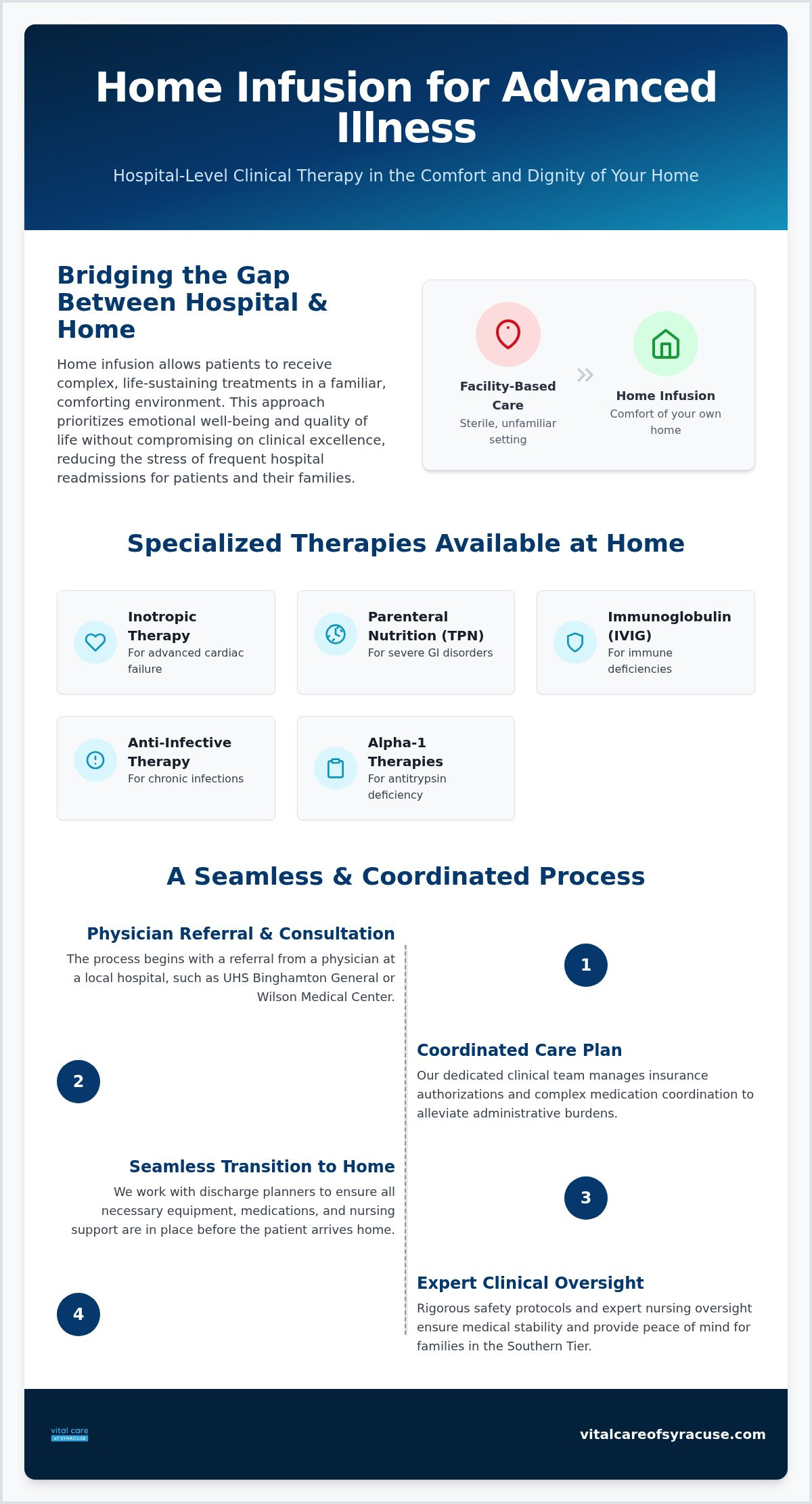
Eligibility is typically determined by a referring physician at local hospitals like UHS Binghamton General or Wilson Medical Center. Patients with chronic or life-limiting illnesses who require consistent medication administration but are otherwise stable enough for home care are often ideal candidates. Common conditions served through home infusion for advanced illness Binghamton include:
- Advanced cardiac failure requiring inotropic therapy to support heart function.
- Severe gastrointestinal disorders needing Parenteral Nutrition (TPN) for essential nutrients.
- Primary immune deficiencies or neurological conditions managed with Immunoglobulin (IVIG/SCIG).
- Chronic infections requiring long-term anti-infective therapy.
- Alpha-1 antitrypsin deficiency requiring specialized Alpha-1 therapies.
By coordinating closely with local discharge planners, the clinical team ensures that every patient has the equipment, medication, and nursing support necessary to thrive at home. This collaborative approach allows patients to transition seamlessly from a hospital setting to a personalized home care environment.
Specialized Therapies for Complex Medical Needs
Receiving high-acuity care at home requires more than just a standard IV line; it demands specialized pharmaceutical expertise and rigorous clinical oversight. When managing home infusion for advanced illness Binghamton, the focus shifts toward therapies that traditionally required intensive monitoring in a hospital wing. By bringing these treatments into the residential setting, patients can maintain clinical stability while avoiding the exhaustion of facility-based stays. This specialized approach ensures that even the most complex medical requirements are met with precision and care.
Inotropic therapy, for instance, provides continuous intravenous medication to support heart muscle contraction, allowing those with advanced heart failure to remain stable in their own homes. Similarly, Parenteral Nutrition (TPN) delivers a customized blend of electrolytes, vitamins, and minerals directly into the bloodstream for patients whose digestive systems cannot absorb nutrients. For those battling deep-seated infections or complex immune deficiencies, long-term anti-infective therapy and Immunoglobulin (IVIG/SCIG) provide a steady pathway to stability without the need for a hospital bed.
Cardiac and Pulmonary Support at Home
In Binghamton, managing heart failure often involves continuous inotropic drips that regulate cardiac output and improve circulation. This level of support is essential for patients transitioning from an acute care setting who wish to remain in a familiar environment. For those also managing cognitive or motor challenges, understanding home infusion for neurological disorders Syracuse can provide a broader perspective on how multi-system care is coordinated across the region. Respiratory patients also benefit from specialized anti-infectives designed to treat resistant pulmonary infections without requiring a return to the clinic. Precision is mandatory. Every dose is calibrated to the individual’s specific physiological needs.
Nutritional and Immune System Management
Long-term TPN requires extreme precision in both formulation and administration to prevent metabolic imbalances. Patients with severe malabsorption or chronic GI failure can find detailed resources on home infusion for GI disorders Rochester to better understand the complexities of parenteral care. Additionally, those requiring Alpha-1 therapy in Binghamton receive targeted enzyme replacement that protects lung tissue, illustrating the depth of specialized support available locally. If you’re coordinating care for a family member, you can learn more about how our locally owned clinical team supports these complex requirements through personalized medication management.
Safety Standards and Clinical Excellence in Binghamton
Safety is the primary concern for any family considering home infusion for advanced illness Binghamton. Transitioning from a highly monitored hospital environment to a residential setting requires a robust framework of clinical protocols that mirror the precision of an acute care facility. This transition is made possible through a disciplined approach to medication management and nursing oversight, ensuring that every dose is administered with the highest level of accuracy and care. By adhering to rigorous industry safety standards, the clinical team creates a protective environment where patients can thrive without the constant stress of facility-based monitoring.
A specialized pharmacy team leads this effort, focusing on sterile compounding and proactive medication reviews to prevent complications before they arise. This pharmacy-led model goes beyond simple delivery; it involves continuous oversight of lab results and physiological markers to adjust therapies in real time. To provide additional peace of mind, patients and their caregivers have access to 24/7 clinical support. While this is not a replacement for 911 or emergency medical services, it offers a direct line to a knowledgeable professional who can troubleshoot equipment issues or answer urgent clinical questions at any hour.
Monitoring and Patient Advocacy
Clinical excellence is maintained through regular assessments that track patient progress and allow for immediate intervention if stability wavers. These assessments are not performed in isolation. The team works as a dedicated partner to your Binghamton-based medical team, including specialists at UHS or Wilson Medical Center, to ensure that the home care plan aligns perfectly with your physician’s long-term goals. Empowering the family is equally vital. Caregivers receive comprehensive guidance on recognizing subtle changes in the patient’s condition, turning them into confident advocates who play an active role in the healing process.
The Vital Care Approach to Clinical Safety
Logistical precision is essential in the Southern Tier, where sterile medications must be delivered promptly and stored correctly to maintain their efficacy. Every patient receives hands-on equipment training, ensuring they feel secure using infusion pumps and managing their access sites. The ‘Compassionate Expert’ model of safety used by Vital Care blends rigorous adherence to sterile pharmaceutical standards with a deeply personalized approach that treats every patient as a person, not just a clinical case. This methodology ensures that technical proficiency is always balanced with genuine concern for the patient’s comfort and well-being.
Step-by-Step Transition Roadmap
The process of moving from a facility to home care follows a disciplined path to ensure safety. Having a clear plan helps alleviate the anxiety often associated with managing complex medications like inotropes or TPN outside a hospital setting. The roadmap typically involves:
- Requesting a formal referral for home infusion from your hospital physician or discharge planner.
- Undergoing a clinical intake process where medication dosages and delivery schedules are verified.
- Setting up a designated “home clinical station” that prioritizes both accessibility and patient comfort.
- Receiving hands-on training for patients and caregivers on equipment use and safety protocols.
Working with Local Binghamton Physicians
Transitioning to home care doesn’t mean leaving your trusted medical team behind. We maintain active communication with your existing specialists and primary care providers, ensuring they receive regular updates on your stability and clinical outcomes. This collaborative approach keeps your doctors informed and involved in every clinical adjustment, creating a unified front for your health. Understanding the benefits of a local home infusion company helps highlight why this regional coordination is so effective for Southern Tier families. If you are ready to discuss a personalized transition plan, speak with our clinical intake team to begin coordinating your care.
The Vital Care Difference for Binghamton Families
Choosing a provider for home infusion for advanced illness Binghamton is a deeply personal decision that affects the entire family’s quality of life. While national corporations often manage care through distant call centers, Vital Care of Syracuse operates as a locally owned franchise with deep roots in the Central New York region. This local presence ensures a level of responsiveness and accountability that larger entities often struggle to match. Our team doesn’t just see a patient file; we see a neighbor in the Southern Tier who deserves the highest standard of clinical excellence delivered with genuine empathy.
This “Compassionate Expert” philosophy is the foundation of everything we do. It means our pharmacists and nurses are both technically proficient in complex therapies and emotionally present for the families they serve. By managing the intricacies of medication delivery and clinical monitoring, we significantly reduce the emotional and physical burden of illness for both the patient and their primary caregiver. The ultimate goal is long-term stability, allowing your loved one to remain in their familiar surroundings while avoiding the stress of unnecessary hospital readmissions.
Personalized Care in the Southern Tier
A dedicated clinical team that knows your specific medical history is invaluable when managing high-acuity conditions. In Binghamton, having a local provider means that your questions are answered by professionals who understand the regional healthcare landscape and can coordinate seamlessly with local hospitals. This proximity allows for a level of personalized attention that national chains simply cannot provide. We’re committed to supporting the Binghamton community by ensuring that expert, home-based healthcare is accessible, reliable, and deeply human-centered.
Next Steps: Establishing Home Care
Initiating the transition to home-based treatment starts with an open conversation with your specialist or primary care physician. Ask them if home infusion for advanced illness Binghamton is a safe and viable option for your specific diagnosis. Once your doctor provides a referral, our clinical intake team can perform a preliminary consultation to review insurance coverage and therapy requirements. Taking this first step can be the beginning of a more stable and dignified health journey. You don’t have to navigate these complex decisions alone. Contact Vital Care of Syracuse to discuss home infusion options in Binghamton and discover how our team can support your family’s needs.
Advancing Care with Dignity and Clinical Precision
Advanced illness doesn’t have to mean a permanent stay in a hospital wing. By choosing home infusion for advanced illness Binghamton, you’re opting for a path that prioritizes both clinical stability and the sanctuary of your own home. You now understand how specialized therapies like TPN and inotropic drips are safely managed by expert clinicians who coordinate directly with local providers at UHS and Wilson Medical Center. This model ensures that high-acuity care is never compromised by the transition to a residential setting.
Vital Care of Syracuse stands as a locally owned and operated partner for Southern Tier families, offering the specialized expertise required for complex treatments within a compassionate, patient-centered model. Our team acts as a steady bridge between medical requirements and your personal need for comfort and dignity. It’s possible to maintain excellence in care without sacrificing the presence of your loved ones or the peace of a familiar environment.
If you’re ready to explore how we can support your journey toward stability and home-based healing, we invite you to take the next step. Request a Consultation for Home Infusion in Binghamton to discuss your specific needs with our clinical team. You don’t have to manage these challenges alone; a more comfortable and clinically secure future is within reach.
Frequently Asked Questions
Is home infusion safe for patients with very advanced illnesses?
Home infusion for advanced illness Binghamton is safe when managed through rigorous clinical protocols and specialized nursing oversight. We replicate hospital-level safety by utilizing sterile compounding and proactive monitoring of physiological markers. This approach ensures that patients with high-acuity needs receive the same precision as they would in a facility. While we don’t provide 24/7 emergency medical services, our pharmacy-led model prioritizes preventing complications before they occur, keeping the patient stable in their own environment.
How do I switch from a hospital-based infusion center to home care in Binghamton?
Switching to home care begins with a conversation with your hospital’s discharge planner or your referring physician. They must provide a clinical referral to confirm that your condition is stable enough for home-based therapy. Once we receive this, our intake team coordinates the insurance authorization and equipment setup. We handle the logistical heavy lifting, allowing for a seamless transition from a facility setting to the comfort of your residence in the Southern Tier.
Does insurance cover home infusion for palliative or advanced care?
Most major insurance providers, including Medicare and private plans, offer coverage for home infusion when it’s deemed medically necessary. Our specialized pharmacy team manages the entire prior authorization process to alleviate the administrative burden on your family. We verify your specific benefits for therapies like TPN or Alpha-1 treatments before care begins. This transparency ensures you understand your coverage options while focusing on your loved one’s clinical stability and well-being.
What happens if there is a problem with the infusion equipment at home?
If a technical issue arises with your pump or supplies, you have access to a dedicated clinical support line at any hour. Our professionals can troubleshoot equipment problems or answer urgent questions to ensure your therapy continues without interruption. It’s important to distinguish this from emergency medical services; if a life-threatening situation occurs, you should always call 911 immediately. We provide comprehensive training during the initial setup so you feel confident managing your daily routine.
Can Vital Care coordinate with my doctors at UHS or Lourdes?
We act as a dedicated partner to your existing medical team at UHS Binghamton General, Wilson Medical Center, or Lourdes Hospital. Our clinicians provide regular updates on your progress, lab results, and any necessary therapy adjustments to ensure your specialists stay fully informed. This collaborative approach creates a unified care plan, bridging the gap between hospital requirements and home comfort. Your doctors remain the primary architects of your health journey while we execute the clinical delivery.
What types of advanced medications can be administered through home infusion?
We provide a wide range of sophisticated treatments, including inotropic therapy for heart failure and Parenteral Nutrition (TPN) for severe gastrointestinal disorders. Other advanced options include anti-infective therapy for chronic infections, Immunoglobulin (IVIG/SCIG), and Alpha-1 antitrypsin deficiency treatments. Our clinical expertise allows us to manage these high-acuity medications with the same precision found in intensive care settings. Every medication is compounded in a sterile environment and tailored to the individual’s specific physiological requirements for long-term stability.
How often will a nurse visit my home in Binghamton for treatment?
The frequency of nursing visits depends entirely on your specific therapy and clinical stability. Some patients require weekly visits for line maintenance and assessments, while others may need more frequent oversight during the initial phase of treatment. Our goal is to empower you and your caregivers through comprehensive training, allowing you to manage daily administrations confidently. We adjust the visit schedule as your needs change, always prioritizing your safety and the successful delivery of your home infusion for advanced illness Binghamton.
What is the difference between home infusion and home health or hospice care?
Home infusion focuses specifically on the delivery and monitoring of complex intravenous medications and nutritional support. While home health often provides physical therapy or general nursing, and hospice focuses on end-of-life comfort, we specialize in high-acuity clinical therapies like TPN and inotropes. We don’t offer physical or occupational therapy or primary care consultations. Instead, we act as a specialized clinical extension of your medical team, focusing on maintaining stability through precise medication management.
Leave a Reply