


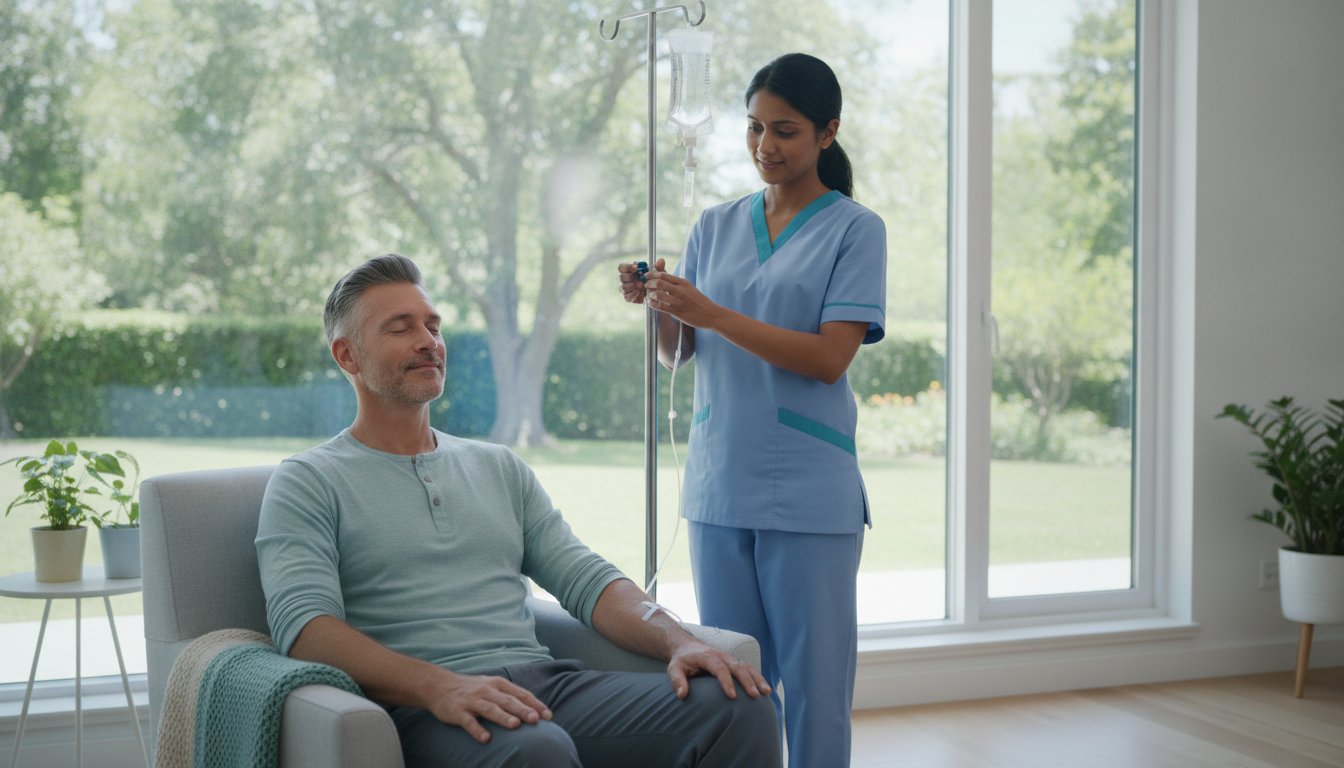
Imagine waking up on a Tuesday morning in Syracuse and realizing your weekly treatment doesn’t involve a two-hour drive to Buffalo or Albany. For many neighbors managing a chronic lung condition, the reality of Alpha-1 antitrypsin deficiency home infusion is transforming how care is delivered right here in Central New York. You’ve likely felt the physical drain of frequent travel or the quiet anxiety that comes with sitting in a crowded hospital waiting room. It’s a heavy burden to carry when you’re already focused on protecting your respiratory health and energy levels.
We understand that your primary goal is slowing the progression of lung disease while maintaining your independence and peace of mind. This guide shows you how specialized home augmentation therapy provides a safe, clinical, and deeply comfortable alternative to traditional hospital-based care. We’ll explore how you can secure consistent support from a local nurse, manage the complexities of insurance coverage, and stay informed on the latest legislative shifts, such as the progress of the John W. Walsh Alpha-1 Home Infusion Act, to ensure your treatment fits seamlessly into your life at home.
Key Takeaways
- Understand how augmentation therapy stabilizes lung health and why receiving care at home significantly minimizes exposure to community-acquired infections.
- Explore the clinical and emotional advantages of Alpha-1 antitrypsin deficiency home infusion, which allows for hospital-grade treatment within a familiar, low-stress environment.
- Learn the essential steps to transition your care, including how to initiate the conversation with your pulmonologist and coordinate with a dedicated local provider.
- Discover what to expect during a professional home visit, from comprehensive clinical monitoring by a specialty nurse to personalized pre-infusion health assessments.
- Identify the benefits of partnering with a Central New York expert that offers specialized insurance coordination and direct communication with your pulmonary medical team.
Understanding Alpha-1 Antitrypsin Deficiency and Augmentation Therapy
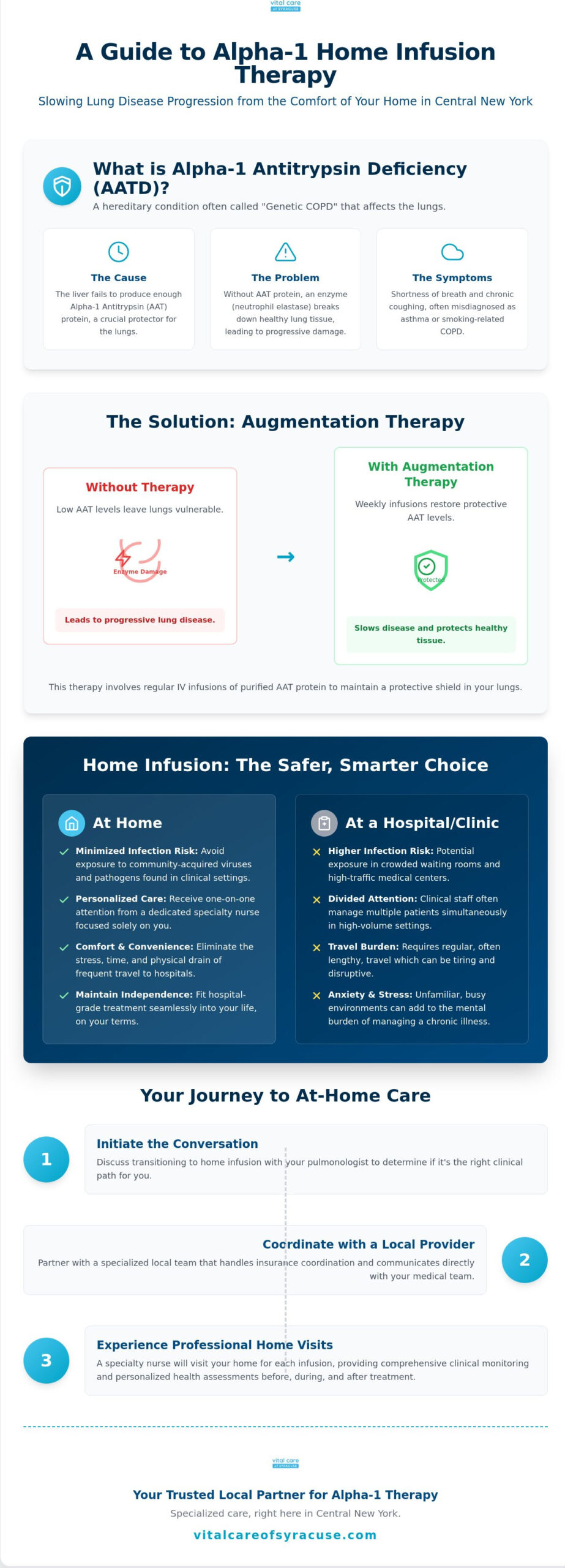
Alpha-1 Antitrypsin Deficiency (AATD) is a hereditary condition that occurs when the liver fails to produce enough of a specific protein designed to protect the lungs. Under normal circumstances, this protein, known as Alpha-1 Antitrypsin (AAT), travels through the bloodstream to shield the delicate air sacs in your lungs from inflammation. Specifically, it acts as a guardian against neutrophil elastase, an enzyme that, while helpful for fighting infections, can mistakenly break down healthy lung tissue if left unchecked. For those living with this deficiency, the lack of a biological “brake” on these enzymes leads to progressive damage, making Understanding Alpha-1 Antitrypsin Deficiency a vital first step in managing your long-term respiratory health.
To better understand the biological roots of this condition, watch this helpful video:
Alpha-1: The “Genetic COPD” Connection
It’s quite common for patients to spend years treating what they believe is standard asthma or smoking-related COPD before discovering the genetic reality of Alpha-1. Because the symptoms are so similar, including shortness of breath and chronic coughing, many symptomatic residents in cities like Buffalo and Syracuse remain undiagnosed. Early genetic testing is essential for anyone showing signs of early-onset emphysema, as it shifts the treatment focus from symptom management to active lung preservation. Augmentation therapy is a lifelong commitment to lung preservation that involves regular infusions of the AAT protein to keep your levels within a protective range.
The Mechanism of Augmentation Therapy
The primary goal of augmentation therapy is to raise the concentration of the AAT protein in both your blood and the epithelial lining fluid of your lungs. This is achieved through an intravenous process that introduces purified Alpha-1 proteinase inhibitor directly into your system. By choosing Alpha-1 antitrypsin deficiency home infusion, you can maintain the standard weekly schedule required to prevent “troughs,” or periods where your protein levels drop too low to provide adequate protection. Consistent adherence to this schedule is particularly critical in the varied climates of Upstate New York, where harsh winters and indoor allergens can trigger inflammatory responses that tax your respiratory system. While these infusions cannot reverse existing emphysema or scarring, they are the most effective clinical tool available for slowing the progression of lung disease and protecting the healthy tissue you still have.
The Clinical Advantages of Home Infusion for Alpha-1 Patients
Choosing Alpha-1 antitrypsin deficiency home infusion isn’t just about convenience; it’s a strategic clinical decision that prioritizes your long-term respiratory health. For patients with compromised pulmonary function, the sterile, controlled environment of your own living room offers a level of safety that’s difficult to replicate in a bustling regional medical center. Research published by the National Center for Biotechnology Information highlights The Clinical Advantages of Home Infusion, particularly regarding the reduction of hospital-acquired infections. By avoiding crowded waiting rooms in Albany or Buffalo, you’re effectively shielding yourself from seasonal viruses and community-acquired pathogens that could trigger a dangerous pulmonary exacerbation.
Beyond infection control, the transition to home-based care provides a level of personalized attention that’s often missing in high-volume clinics. Your dedicated infusion nurse isn’t managing a dozen patients at once. They’re focused entirely on your vitals, your comfort, and your specific reaction to the augmentation therapy. This focused care model is particularly valuable for residents in Rochester and Utica, where removing the logistical hurdle of a long commute significantly improves therapy adherence. When treatment comes to you, it’s much easier to stick to the precise weekly schedule required to keep your protective protein levels stable.
Safety Standards in the Home Setting
It’s natural to wonder if leaving the hospital means leaving behind rigorous safety protocols. In reality, specialized home infusion providers adhere to the same hospital-grade sterile techniques you’d find in a top-tier surgical suite. Every dose is prepared with clinical precision, and a specialized pharmacist remains behind the scenes to monitor your labs and coordinate dosage adjustments directly with your pulmonologist. Understanding the benefits of a local home infusion company helps illustrate how a community-based partner can offer more agile, responsive care than a national provider while maintaining uncompromising safety standards.
Quality of Life: Restoring Your Schedule
The “infusion day” fatigue is a very real phenomenon for Alpha-1 families. When you factor in the drive to a Syracuse clinic, parking, and the wait time, a two-hour procedure can easily consume an entire day. Home care changes that dynamic entirely. By integrating treatment into your daily life, you’re free to maintain work commitments or spend time with family without the shadow of a long commute hanging over you. This shift dramatically reduces the overall burden of illness, transforming a medical necessity into a manageable part of your weekly routine. If you’re ready to reclaim your time and energy, exploring specialized home therapy might be the most empowering step in your health journey.
Navigating the Transition to Home Infusion in Central New York
Moving your care from a clinical setting to your own home involves a clear, collaborative path. The first step begins with a conversation with your pulmonologist, whether you’re seen at a major center in Buffalo or a private practice in Rochester. You’ll want to discuss if your current stability makes you a candidate for Alpha-1 antitrypsin deficiency home infusion. Once your physician provides the referral, the next phase is selecting a specialized provider like Vital Care of Syracuse. Unlike national companies, a local partner offers direct coordination with CNY medical teams and a more personalized touch.
Navigating the Transition to Home Infusion requires a thorough clinical assessment and insurance verification. Our team manages the heavy lifting here, coordinating with your insurance provider to clarify Medicare Part B or Part D nuances. The final step is the “home-start” infusion. During this initial session, a specialty nurse remains with you throughout the entire process, ensuring you’re comfortable and monitoring for any adverse reactions in real-time. This hands-on approach builds confidence and ensures your safety from the very first dose.
Insurance and Medicare Coordination for NY Residents
Understanding your coverage is often the most stressful part of the journey. In 2026, many patients are watching the progress of the John W. Walsh Alpha-1 Home Infusion Act. While this federal legislation aims to expand Medicare access for weekly home infusions, the current timeline suggests an effective date of January 1, 2027, if passed. Local providers are experts at navigating these shifting regulations and handling complex prior authorizations for specialty biologics. We also help patients identify secondary insurance options and co-pay assistance programs available specifically to New York residents. This ensures that financial hurdles don’t stand in the way of your lung preservation.
Evaluating Your Home for Infusion Readiness
Preparing your space for treatment is simpler than most people expect. You don’t need a medical suite; you just need a clean, well-lit area with a comfortable chair where you can relax for the duration of the procedure. Since augmentation products are temperature-sensitive, you’ll also need a small, dedicated space in your refrigerator for storage. Before your first treatment, a Vital Care clinical professional will conduct a brief home safety visit. This isn’t an inspection. It’s a supportive check to ensure you have adequate lighting and a safe environment for venous access. This measured, step-by-step approach ensures that by the time your nurse arrives for that first dose, you feel completely prepared and at ease.
What to Expect During Your Alpha-1 Home Infusion Journey
Your weekly treatment begins not with a stressful commute, but with a familiar knock on your door. When you choose Alpha-1 antitrypsin deficiency home infusion, the clinical experience is designed to be as unobtrusive as possible while maintaining the highest medical standards. Upon arrival, your specialty nurse conducts a thorough pre-infusion assessment. This includes checking your vital signs, such as blood pressure and heart rate, and monitoring your oxygen saturation levels. These baseline measurements ensure that you’re in optimal condition to receive your augmentation therapy that day. This methodical approach provides a level of safety and reassurance that allows you to remain relaxed in your own environment.
Once the initial checks are complete, your nurse will establish venous access with clinical precision. Throughout the infusion process, which typically lasts between 30 and 60 minutes, you’ll be closely monitored for any adverse reactions, such as chills, headache, or dizziness. Because you have the undivided attention of a professional, any concerns can be addressed immediately. After the medication has been fully administered, your nurse remains with you for a designated observation period to ensure your stability. Every detail of the session, from the lot number of the medication to your physiological response, is documented and shared with your Syracuse-based clinical team to maintain a seamless record of your care.
The Role of Your Dedicated Infusion Nurse
The relationship with your nurse often goes beyond the technical aspects of the needle. By seeing the same local professional each week, you benefit from a continuity of care that clinic rotations simply can’t match. Your nurse becomes a protective advocate who understands your specific pulmonary history and can offer personalized education on breathing techniques or energy conservation. If you’re interested in greater autonomy, they can also provide training for self-infusion where appropriate, empowering you to take an active role in your lung preservation journey. This consistent support system is a cornerstone of the compassionate expertise we provide.
Managing Supplies and Self-Monitoring
Logistics should never be a source of stress for patients in Auburn or Utica. We manage the entire supply chain, ensuring that your temperature-sensitive medications and all necessary infusion supplies are delivered directly to your doorstep on a predictable schedule. Between visits, we encourage you to maintain an infusion log to track how you feel after each session. This documentation is an invaluable tool for your pulmonologist during your regular check-ups. If you ever notice a change in your respiratory symptoms or have questions about your supplies, our clinical pharmacists are just a phone call away. If you’re ready to experience this level of personalized care, you can contact our specialized Alpha-1 team to discuss your options.
Why Vital Care of Syracuse is the Trusted Local Partner for Alpha-1 Therapy
Vital Care of Syracuse isn’t just a medical provider; we’re your neighbors. While national infusion chains often operate from distant corporate offices, our roots are firmly planted in the Syracuse community. We extend our specialized care across the region, ensuring that patients from Buffalo to Albany receive the same high standard of Alpha-1 antitrypsin deficiency home infusion. This local presence means your clinical team understands the specific regional challenges you face, from navigating the logistical hurdles of Upstate New York winters to coordinating with the specific health systems you trust for your pulmonary care. We act as a steady, reliable hand, bridging the gap between complex medical requirements and your personal need for comfort.
Our expertise is tailored to the unique geography of our state. We maintain a specialized focus on providing Alpha-1 antitrypsin deficiency therapy at home in Binghamton, ensuring that residents throughout the Southern Tier have access to hospital-grade augmentation therapy without the burden of travel. This commitment to wide-reaching yet local support is backed by 24/7 access to pharmacists who are specifically trained in Alpha-1 protocols. Whether you have a question about a supply delivery or a specific clinical concern, you’ll always speak with a professional who knows your history and understands the nuances of your care plan.
Local Expertise vs. National Infusion Chains
The difference between a local clinical partner and a distant corporate provider often comes down to responsiveness and relationship. National companies may prioritize volume, but our “Compassionate Expert” model focuses on the individual’s well-being. When you need a rapid response for a supply adjustment or have a clinical question that requires immediate attention, our Syracuse-based team provides the agility that only a local partner can offer. We don’t view you as a case number. We view you as a partner in a shared health journey. This proximity allows for seamless coordination with your local pulmonology group, ensuring that every adjustment to your therapy is handled with precision and collective expertise.
Your Next Steps Toward Home-Based Care
Reclaiming your independence starts with a simple clinical consultation. Our team is ready to help you navigate the transition, beginning with a comprehensive insurance benefit review to clarify your coverage for the remainder of 2026. We’ll work directly with your physician to ensure that your switch to home-based care is documented, safe, and stress-free. If you’re interested in seeing how our specialized approach applies to other complex health challenges, you can learn more about our home infusion for neurological disorders Syracuse. We’re here to provide the stability, expertise, and genuine concern you need to manage your health with confidence.
Your Path to Personalized Pulmonary Care
Managing a genetic condition requires a partner who understands that your life happens outside the hospital walls. We’ve explored how transitioning to a home-based model significantly reduces your exposure to community-acquired infections while eliminating the physical exhaustion of traveling to distant clinics. By choosing Alpha-1 antitrypsin deficiency home infusion, you’re choosing a model of care that prioritizes your comfort without compromising on clinical excellence. Our team provides specialized expertise in pulmonary therapies, ensuring every session is handled with the precision your health deserves.
Whether you reside in Syracuse, Rochester, Buffalo, or Albany, you have access to a dedicated clinical team and local 24/7 pharmacist support. We handle the complexities of insurance coordination and supply management so you can focus on what matters most: your well-being. It’s time to experience a higher standard of care that fits seamlessly into your daily routine. Contact Vital Care of Syracuse to start your home Alpha-1 therapy today. We look forward to being a steady, reliable partner in your journey toward better lung health and a more independent life.
Frequently Asked Questions
Is home infusion for Alpha-1 safe for seniors on Medicare?
Home infusion is clinically safe for seniors, though coverage in 2026 depends on your specific Medicare plan and the drug’s classification. While we await the full implementation of the John W. Walsh Act in 2027, many patients currently access care through Medicare Part D or secondary insurance. Our team performs a detailed benefit review to ensure you understand your coverage and safety protocols before your first session begins.
How long does a typical Alpha-1 augmentation infusion take at home?
A typical Alpha-1 antitrypsin deficiency home infusion session lasts between 30 and 60 minutes. You should plan for a bit of additional time for your nurse to perform pre-infusion vital sign checks and a brief post-infusion observation period. This methodical approach ensures your safety and allows our team to document your physiological response to the augmentation therapy accurately.
Do I need a special room in my house for home infusion therapy?
You don’t need a dedicated medical suite or a special room for your treatments. Any clean, well-lit area with a comfortable chair where you can relax for an hour is perfectly sufficient for the procedure. We only ask that you have a small, dedicated space in your refrigerator to store the temperature-sensitive proteinase inhibitors until your specialty nurse arrives.
Will Vital Care of Syracuse coordinate with my existing pulmonologist in Buffalo?
Yes, our clinical team coordinates directly with pulmonologists across New York, including those practicing in Buffalo and Rochester. We act as a professional extension of your existing medical team by sharing infusion logs and clinical observations after every visit. This ensures your specialist remains fully informed of your respiratory status without you needing to manage the communication yourself.
What happens if I have an allergic reaction during my home infusion?
Your dedicated infusion nurse is specifically trained to recognize and manage adverse reactions the moment they occur. They carry emergency protocols and stay in direct contact with our clinical pharmacists throughout the procedure. Because a professional is by your side for the duration of the treatment, any symptoms like chills or itching are addressed with immediate clinical intervention.
Can I switch from a hospital infusion center to home care mid-treatment?
You can absolutely switch from a hospital-based center to home care at any point in your treatment journey. The transition requires a new referral from your pulmonologist and an insurance verification, both of which our Syracuse office can help facilitate. Many patients find that making this switch mid-treatment significantly reduces their travel stress and improves their overall quality of life.
How are my Alpha-1 medications delivered to my home in Rochester or Albany?
Your medications and sterile supplies are delivered directly to your doorstep via secure, climate-controlled transport. We manage the entire logistics chain, so you don’t have to worry about picking up heavy boxes or tracking specialty biologics. Our Syracuse office coordinates these deliveries to arrive predictably before your scheduled nursing visit to ensure there’s never a gap in your therapy.
Does home infusion cost more than going to a clinic in Syracuse?
Home infusion is often more cost-effective than hospital-based care because it eliminates high facility fees and the secondary costs of frequent travel. While the price of the specialty medication itself remains consistent, the overall financial burden for the family is typically lower. We provide a transparent breakdown of your expected out-of-pocket responsibilities after we’ve coordinated with your insurance provider.
Leave a Reply