


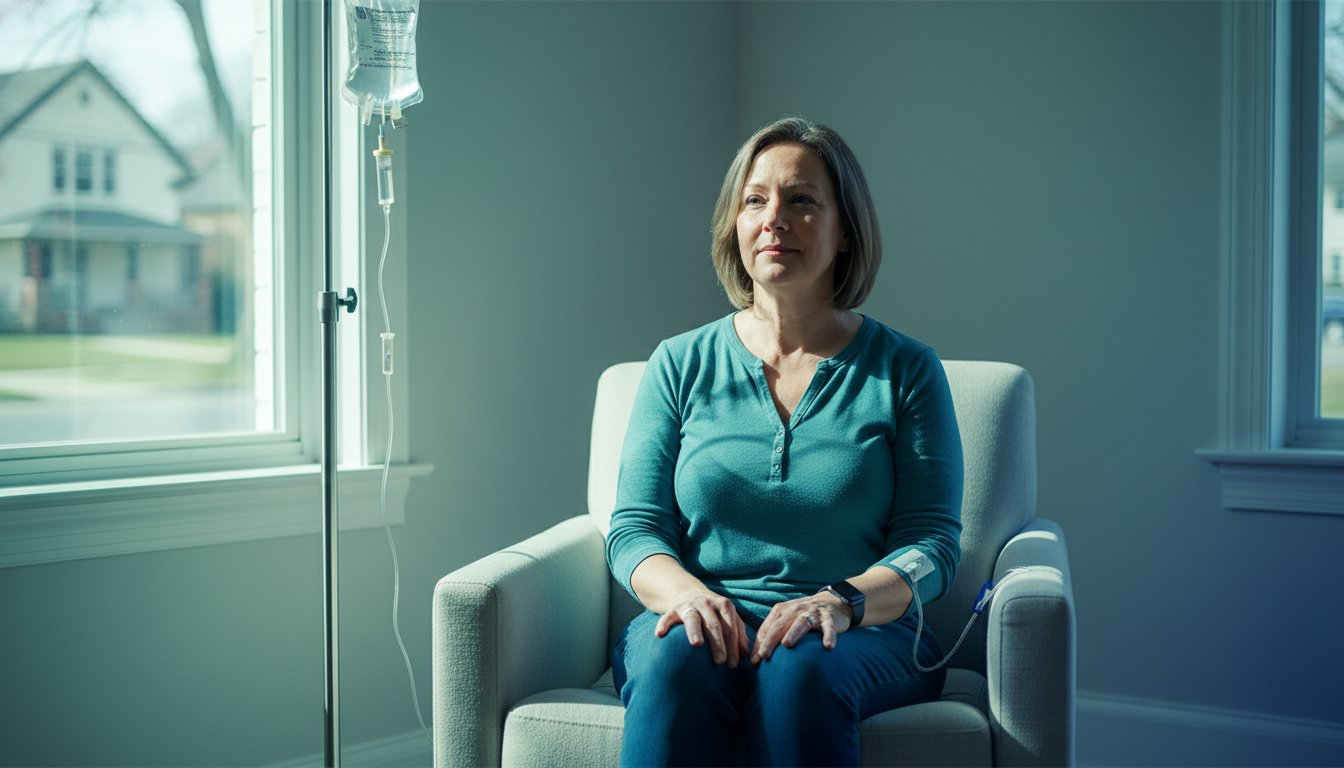
After days of hospital monitors and clinical rounds, the news that you’re ready to continue your recovery at home should feel like a victory, yet the thought of managing an IV pump on your own often brings more fear than relief. It’s natural to feel overwhelmed by the complexity of “gut rest” and the technical requirements of intravenous feeding. We recognize that leaving the safety of a medical facility is a significant step, but you don’t have to manage this transition alone. Specialized parenteral nutrition for pancreatitis Auburn provides a sophisticated, safe bridge to healing that allows your body to recover in the comfort of your own home.
In this guide, you’ll discover how specialized home parenteral nutrition supports pancreatic healing and provides a clear, manageable path to regaining your strength. We’ll explain the clinical benefits of Total Parenteral Nutrition (TPN) and help you feel confident in your ability to handle home care with professional support. You’ll also learn how local resources, such as Vital Care of Syracuse, provide the expert guidance needed to ensure your recovery is both comfortable and medically sound.
Key Takeaways
- Discover how intravenous feeding allows the digestive system to remain dormant, providing the necessary “gut rest” to reduce painful inflammation.
- Learn the specific differences between traditional eating and the life-sustaining liquid nutrients delivered through specialized home parenteral nutrition.
- Understand the safety protocols and daily monitoring techniques that make parenteral nutrition for pancreatitis Auburn a reliable and comfortable option for home recovery.
- Explore how personalized care plans from local experts like Vital Care of Syracuse bridge the gap between hospital treatment and your return to daily life.
Understanding Parenteral Nutrition for Pancreatitis
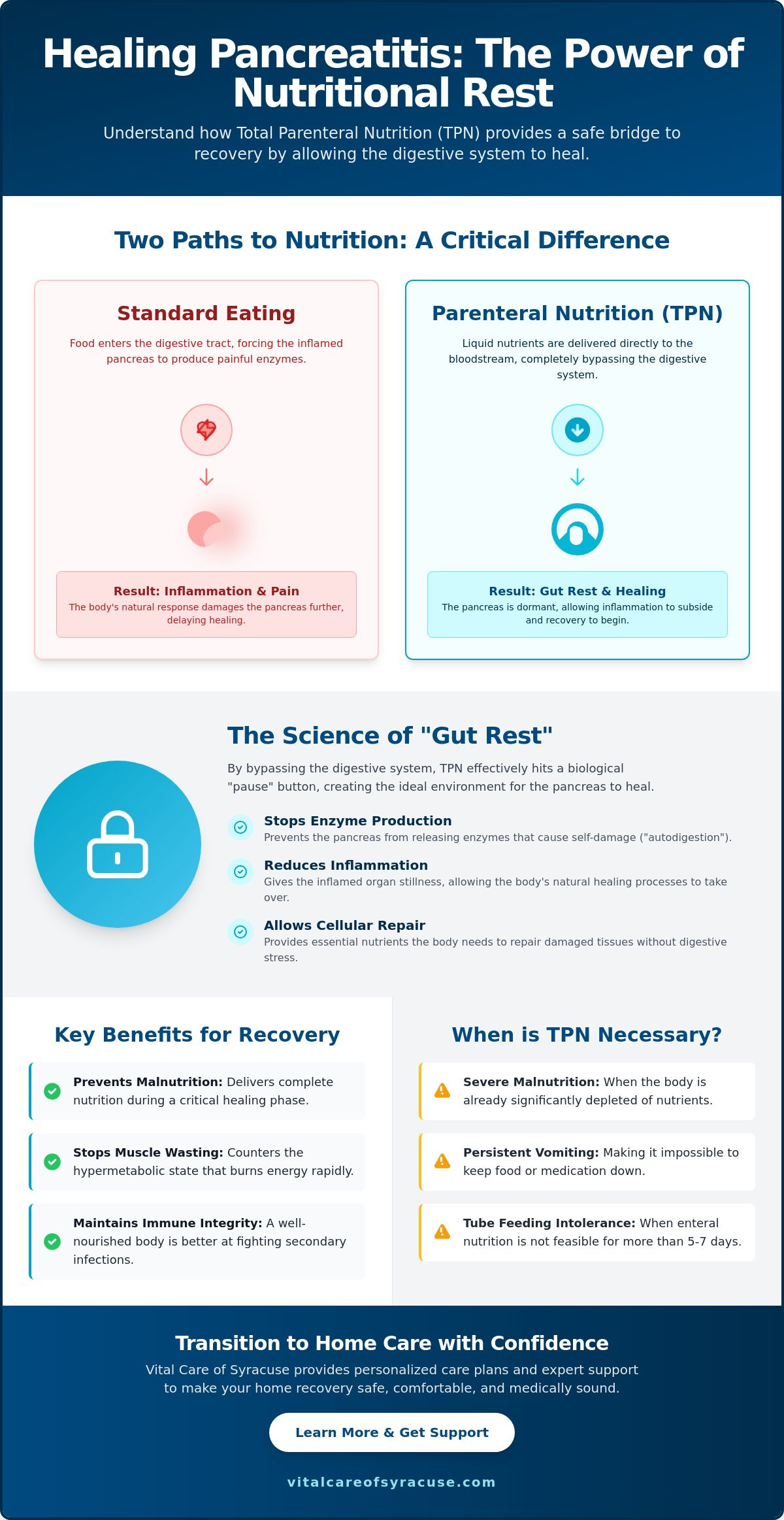
Facing a diagnosis of severe pancreatitis is daunting, especially when the basic act of eating becomes a medical risk. For many families, the introduction of parenteral nutrition for pancreatitis Auburn represents a significant shift in the recovery journey. Unlike traditional meals or even tube feeding, which rely on the digestive tract, parenteral nutrition bypasses the gut entirely. It delivers life-sustaining liquid nutrients directly into the bloodstream through a specialized IV line. This method ensures your body receives essential proteins, carbohydrates, lipids, vitamins, and minerals while allowing your internal organs the space they need to heal.
When a patient requires their entire caloric intake through this method, it’s referred to as Total Parenteral Nutrition, or TPN. To gain a deeper understanding of what is parenteral nutrition and how it functions as a complete meal replacement, it’s helpful to view it as a specialized medical intervention designed for those whose digestive systems cannot currently process food safely. This transition can feel heavy for Auburn families, but it’s a proactive step toward stabilization and recovery.
To better understand this concept, watch this helpful video:
While enteral nutrition (tube feeding) is often the first choice for many patients, it isn’t always feasible for those with severe inflammation or complications. TPN acts as a vital safeguard, preventing the rapid weight loss and muscle wasting that often accompany a restricted diet during a hospital stay or home recovery.
The Vital Role of Nutrition in Pancreatic Healing
The pancreas is a sensitive organ that reacts immediately to the presence of food by producing digestive enzymes. In an inflamed state, these enzymes can inadvertently damage the pancreatic tissue itself, worsening the condition. By choosing parenteral nutrition for pancreatitis Auburn, we facilitate “gut rest.” This strategy stops the cycle of enzyme production, allowing inflammation to subside without starving the body of the energy it needs to repair damaged cells.
When is Parenteral Nutrition Necessary?
Clinical triggers for TPN usually include severe malnutrition, persistent vomiting, or an inability to tolerate enteral feeding for more than five to seven days. It’s often used as a temporary bridge rather than a permanent solution. The ultimate goal is always a safe return to a normal diet. By providing high-quality nutrition during the most critical phase of illness, we help ensure that when you’re ready to eat again, your body has the strength to sustain the transition.
The Science of Gut Rest: Why TPN is Essential
The recovery process for pancreatitis relies on a delicate biological balance. When the pancreas is inflamed, the standard process of digestion becomes a source of further trauma. This is where the clinical concept of “gut rest” becomes a cornerstone of therapy. By utilizing parenteral nutrition for pancreatitis Auburn, clinicians can effectively hit a biological pause button. This pause allows the pancreas to stop secreting the aggressive enzymes that would otherwise perpetuate the inflammatory response, giving the organ the stillness it requires to begin cellular repair.
Without this specialized support, the risk of malnutrition becomes a significant barrier to recovery. Patients with acute pancreatitis often face a hypermetabolic state, meaning their bodies burn energy at an accelerated rate while they are unable to eat. This deficit can lead to delayed wound healing and a weakened immune system, making the body more susceptible to secondary infections. Maintaining muscle mass and immune integrity is not just about comfort; it’s about providing the physiological foundation for a successful transition to home infusion for GI disorders Rochester and Auburn area patients can rely on for long-term stability.
Preventing Complications Through Precision Nutrition
Precision is vital when the body is in a state of distress. TPN prevents a dangerous phenomenon known as “autodigestion,” where the pancreas’s own enzymes begin to break down its own tissue. To combat this, each TPN formula is a meticulously balanced blend of lipids, amino acids, and dextrose. These components are tailored to your specific metabolic needs, ensuring that you receive the exact caloric and nutritional support required without taxing your digestive system. According to clinical guidelines for pancreatitis nutrition, this customized approach is essential for patients who cannot tolerate traditional feeding methods.
The Connection Between TPN and Reduced Inflammation
When we bypass the gastrointestinal tract, we see a measurable decrease in systemic inflammatory markers. This “break” does more than just rest the pancreas; it allows the entire digestive system to repair the gut barrier, which can become compromised during severe illness. A healthy gut barrier is a primary defense against the translocation of bacteria into the bloodstream. By delivering nutrients directly to the blood, TPN allows the pancreas to remain dormant and heal. If you’re feeling uncertain about how these formulas are managed, the team at Vital Care of Syracuse is here to provide the clinical expertise and compassionate reassurance you need to feel secure in your home care.
Transitioning to Home TPN in the Auburn Area
Leaving Auburn Community Hospital doesn’t mean leaving your clinical support system behind. The transition to home care is a meticulously coordinated effort between your hospital medical team and your home infusion provider. This collaboration ensures that the sophisticated safety protocols established in the ward are seamlessly replicated in your own living room. By establishing a partnership between clinicians, patients, and caregivers, we transform a complex medical requirement into a manageable daily routine. The clinical literature on treating acute pancreatitis with parenteral nutrition confirms that this therapy is a vital adjunct during recovery, and bringing it home allows you to heal in a familiar, stress-free environment.
One of the most significant advantages of this transition is the proximity of your support team. Relying on local home infusion company benefits means that help is always nearby if you have questions about your equipment or supplies. This local presence provides a layer of security that national providers often can’t match, ensuring that specialized parenteral nutrition for pancreatitis Auburn remains a safe and reliable path to wellness. We view our role as your advocate, providing the steady hand you need as you regain your independence.
Your Roadmap from Hospital to Home
- Step 1: Clinical Assessment. Your physicians will evaluate your metabolic state and write a precise TPN prescription tailored to your inflammatory levels.
- Step 2: Pharmacy Coordination. A specialty pharmacy compounds your custom formula, carefully balancing lipids, amino acids, and dextrose in a sterile environment.
- Step 3: Comprehensive Training. Before discharge, you and your caregiver will receive hands-on instruction on pump operation and central line maintenance.
- Step 4: Home Integration. Your supplies are delivered directly to your door, followed by a scheduled visit from a home infusion nurse to oversee your first session.
Setting Up Your Home for TPN Success
Creating a dedicated space for your therapy helps reduce anxiety and ensures sterile conditions. We recommend choosing a quiet, well-lit area in your Auburn residence to serve as your “infusion station.” You’ll need a clean, non-porous surface for organizing flushes, alcohol swabs, and tubing. Because TPN bags require refrigeration, clear a specific shelf in your fridge to store them safely away from raw foods. Organizing your supplies for easy access makes the daily routine feel more like a natural part of your day rather than a clinical chore. When you manage parenteral nutrition for pancreatitis Auburn with a structured plan, the path to recovery becomes much clearer.
Safety, Monitoring, and Daily Life with Home TPN
The most frequent concern we hear from families beginning parenteral nutrition for pancreatitis Auburn is the fear of managing a central line outside of a hospital setting. It’s completely natural to worry about what might happen if a pump alarms or if a dressing seems loose. We want to reassure you that these technical aspects quickly become a manageable part of your daily rhythm. Safety at home is built on a foundation of routine monitoring, including regular checks of your vital signs and blood sugar levels. Because TPN is a nutrient-dense solution containing dextrose, keeping a close eye on blood glucose ensures your body is processing the infusion effectively.
Precision is maintained through weekly laboratory draws. These blood tests are not merely routine check-ups; they provide the essential data our pharmacists need to fine-tune your specific formula. By monitoring electrolyte levels and organ function, we can adjust your nutrients to match your body’s changing needs as the inflammation in your pancreas subsides. This proactive approach ensures your therapy remains both safe and optimized for your specific recovery timeline.
Protecting Your Central Line and Preventing Infection
Maintaining the integrity of your IV site is the most important step in preventing complications. We emphasize meticulous hand hygiene and sterile techniques during every dressing change or line connection. It’s vital to stay vigilant and recognize early signs of potential issues, such as a sudden fever, chills, or persistent redness and swelling at the insertion site. If you ever feel uncertain about a symptom or a piece of equipment, you have the reassurance of a 24/7 clinical support line dedicated to Auburn residents. This immediate access to professional guidance helps you resolve minor issues before they become stressful hurdles. For more information on our local support, you can contact our clinical team today.
Finding Your New Routine
One of the greatest benefits of home therapy is the ability to “cycle” your infusions. Many patients choose to infuse their parenteral nutrition for pancreatitis Auburn over a 10 to 12 hour period at night. This schedule allows you to be completely disconnected from the pump during the day, giving you the freedom to enjoy social visits or quiet afternoons at Hoopes Park. Modern technology has made portable pumps incredibly discreet, meaning that even during an infusion, you aren’t confined to a single room.
Emotional well-being is just as critical as physical healing. Connecting with others who are navigating similar paths, such as those managing TPN for short bowel syndrome Buffalo or other GI disorders, can provide a sense of community and shared strength. Patients dealing with conditions that impair the body’s ability to absorb nutrients may also find valuable guidance in resources like this comprehensive overview of home TPN for malabsorption Albany residents have used to stabilize their nutrition and reclaim their independence. Similarly, those managing related digestive conditions can benefit from learning how home infusion for gastroparesis patients Rochester has helped individuals break the cycle of malnutrition and hospital readmissions through professional at-home care. We’re here to ensure that your life on TPN is defined by your recovery and your goals, not just your medical requirements. With the right support, you can maintain your mobility and your quality of life while your body does the important work of healing.
Personalized TPN Care with Vital Care of Syracuse
Vital Care of Syracuse serves as a dedicated partner for families navigating the complexities of acute illness. We provide specialized parenteral nutrition for pancreatitis Auburn residents can depend on for both clinical precision and emotional support. By operating as a locally owned franchise with the robust backing of a national network, we offer the unique advantage of personalized, neighborhood-based care combined with industry-leading pharmaceutical resources. This structure ensures that while your TPN formula is compounded with the highest standards of excellence, the person overseeing your care is a member of your own Central New York community.
Our “compassionate expert” approach means we don’t just deliver supplies; we deliver peace of mind. We understand that the transition from a hospital bed to a home routine involves more than just equipment. It requires a steady, reliable hand to guide you through the technicalities of infusion therapy. We view ourselves as your protective advocate, ensuring that every aspect of your nutritional plan is executed with discipline and kindness. This commitment to the human element of care is what allows our patients to feel secure as they reclaim their independence.
Our Clinical Excellence and Local Heart
The strength of our service lies in our team of specialized pharmacists and infusion nurses who possess deep expertise in managing metabolic stress. We maintain a rigorous focus on industry standards, ensuring that every bag of TPN is a precise reflection of your physician’s prescription. Our deep roots in the Auburn community and the surrounding Finger Lakes region allow us to coordinate seamlessly with local doctors and hospital discharge planners. This local synergy eliminates the communication gaps often found with distant providers, ensuring your transition is fluid and your clinical needs are met without delay.
Getting Started with Vital Care
Taking the next step toward a comfortable home recovery is a straightforward process. Whether you are a healthcare professional looking to refer a patient or a family member seeking to transition care to a local provider, our team is ready to facilitate the move. We handle the logistics of supply delivery and clinical oversight so you can focus entirely on your health. We provide the necessary training and ongoing support to ensure you never feel overmatched by your therapy.
If you’re ready to explore how we can support your journey, contact Vital Care of Syracuse to speak with our clinical team. You are not alone in this journey; we are your dedicated partners in health, providing the stability and expertise you need to heal. We invite you to experience a recovery path defined by professional excellence and genuine concern for your well-being.
Your Partner in a Safe and Comfortable Recovery
Recovery from pancreatitis is a journey that requires both patience and the right clinical foundation. By prioritizing gut rest and ensuring your body receives precision nutrients, you’re taking a proactive step toward long-term health. The transition to home care doesn’t have to be a source of anxiety; instead, it’s an opportunity to heal in the place where you feel most at ease. Specialized parenteral nutrition for pancreatitis Auburn provides the essential support your body requires while allowing you to maintain your daily life and connections.
As a locally owned and operated provider in Central New York, Vital Care of Syracuse offers specialized expertise in complex TPN and GI nutrition. Our team is dedicated to your safety, providing 24/7 clinical support for home infusion patients to ensure you never feel alone or overwhelmed by your therapy. We invite you to contact Vital Care of Syracuse for personalized TPN support in Auburn and discover how we can help you regain your strength with confidence. You have the resilience to overcome this challenge, and we’re here to provide the steady hand you deserve.
Frequently Asked Questions
Is parenteral nutrition for pancreatitis permanent?
Parenteral nutrition is typically a temporary bridge to recovery rather than a permanent lifestyle change. Most patients use this therapy to support healing during acute episodes until the pancreas can safely process nutrients again. Once inflammation subsides and your medical team confirms you can tolerate oral or enteral intake, the transition back to traditional eating begins.
Can I still drink water or other liquids while on TPN?
Your ability to consume liquids depends entirely on the level of “gut rest” your physician prescribes for your specific condition. While some patients may be allowed ice chips or small sips of water, others must remain strictly “NPO,” which means nothing by mouth. This restriction ensures the pancreas remains dormant and doesn’t trigger the release of digestive enzymes that cause pain.
How much does home parenteral nutrition cost in Auburn?
The cost of parenteral nutrition for pancreatitis Auburn depends on your specific insurance plan and the complexity of your custom formula. Because every patient’s nutritional needs are unique, prices aren’t standardized across the industry. We recommend contacting your insurance carrier or a local provider to verify coverage details and any out-of-pocket responsibilities for home infusion services.
What are the most common side effects of TPN for pancreatitis?
The most frequent side effects involve fluctuations in blood sugar levels or minor electrolyte imbalances. Since TPN is a nutrient-dense solution rich in dextrose, your body might require time to adjust to the glucose load. Other potential effects include changes in liver enzyme levels, which is why consistent clinical monitoring is a vital part of your personalized care plan.
How do I prevent my IV line from getting infected at home?
Maintaining a sterile environment is the most effective way to prevent catheter-related bloodstream infections during your recovery. You’ll need to practice thorough handwashing and follow the “scrub the hub” protocol every time you access the line. Keeping the dressing clean, dry, and intact is a fundamental safety step that your home infusion nurse will teach you in detail.
Can I travel or leave my house while receiving TPN?
You can absolutely remain active and leave your home while receiving parenteral nutrition for pancreatitis Auburn. Modern infusion technology includes lightweight, portable pumps that fit easily into specialized backpacks for discreet use. Many patients choose to “cycle” their infusions over 12 hours at night, leaving them completely disconnected and free to move about during the daylight hours.
What happens if my TPN pump starts beeping at night?
A beeping pump usually indicates a simple technical issue like a kinked tube, an air bubble, or an empty bag. Your initial training will cover how to read the pump’s display and resolve these common alerts quickly. If a problem persists, you’ll have access to a clinical support line to help you troubleshoot the equipment and regain your peace of mind.
How often will I need blood tests while on home parenteral nutrition?
Most patients require blood draws at least once a week during the initial phase of their home therapy. These tests allow the pharmacy team to monitor your electrolytes, kidney function, and liver enzymes with precision. As your condition stabilizes, your physician might adjust the frequency of these labs based on your physical progress and nutritional stability.
Leave a Reply