


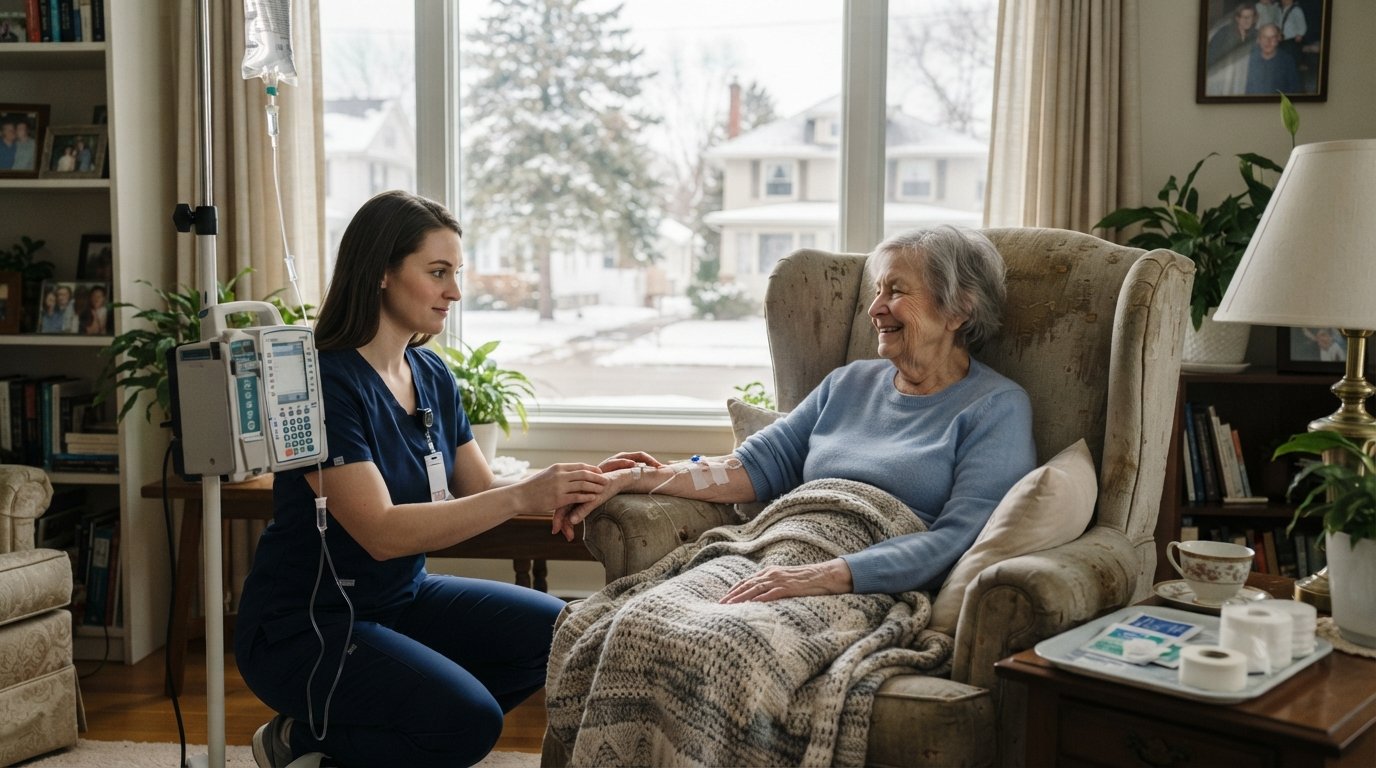
Imagine the relief of watching your elderly parent receive life-saving medication not in a sterile, noisy hospital ward, but in their favorite armchair by the window. For many families in Central New York, the stress of managing complex medical needs is often compounded by the fear of hospital-acquired infections like MRSA or the physical toll of frequent clinic visits. You want the best clinical outcomes for your loved one, but you also want them to feel safe and at peace. Understanding the benefits of home infusion for elderly patients is the first step toward a care model that prioritizes both medical excellence and personal dignity.
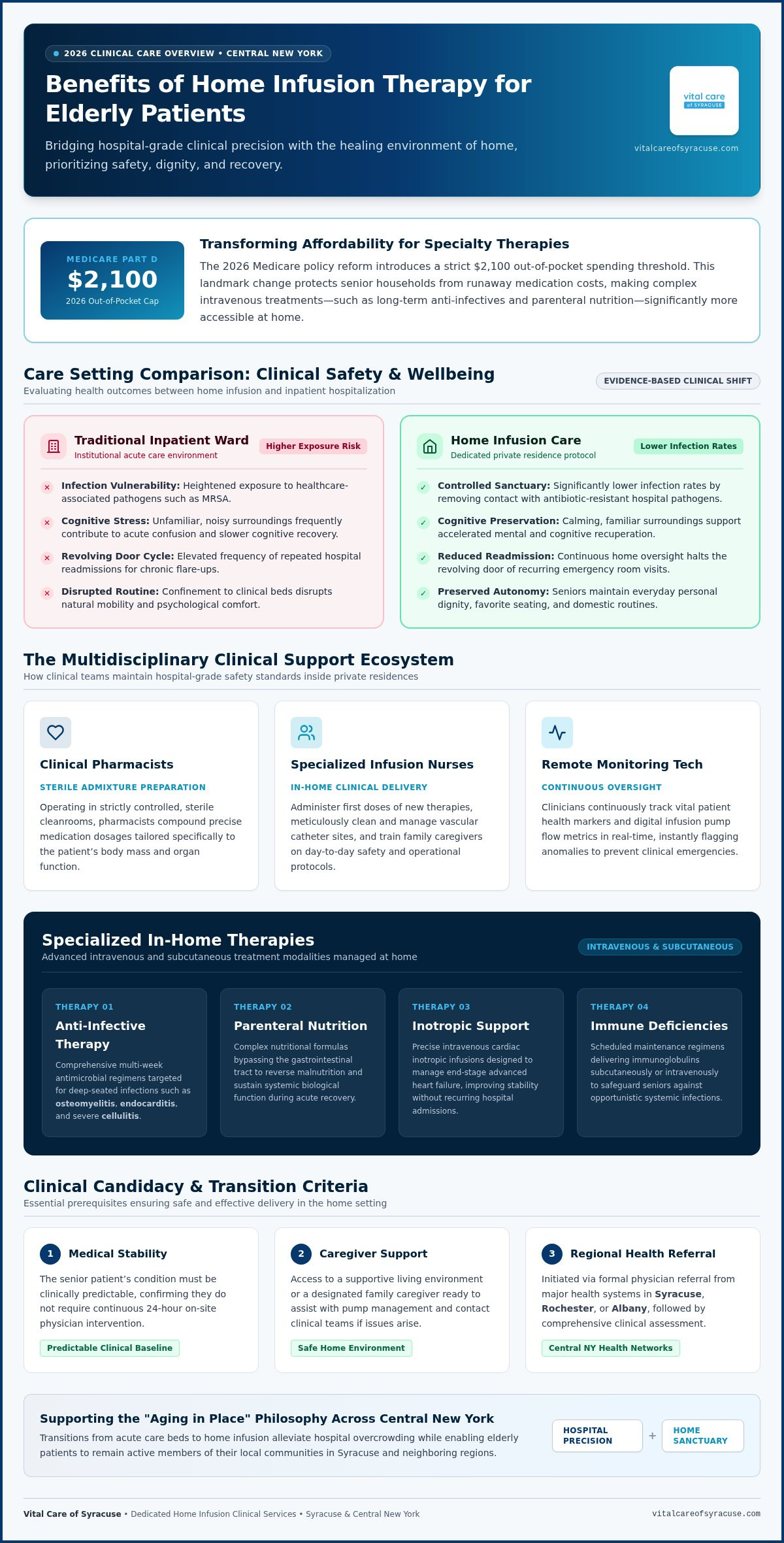
We recognize the anxiety that comes with managing infusion equipment at home, which is why this 2026 guide is designed to provide clarity and confidence. You’ll discover how specialized therapies, from anti-infectives to parenteral nutrition, are now more accessible thanks to the new $2,100 Medicare Part D out-of-pocket cap. We’ll also examine why home-based care often results in lower infection rates than traditional hospital stays. By bridging the gap between hospital-level precision and the sanctuary of home, we’ll show you how to ensure your loved one receives the expert support they deserve while significantly improving their daily quality of life.
Key Takeaways
- Understand the vital role clinical pharmacists and specialized nurses play in delivering professional, hospital-grade care within the familiar comfort of a private residence.
- Explore the clinical benefits of home infusion for elderly patients, specifically how it reduces exposure to healthcare-associated infections and supports faster cognitive recovery.
- Learn about the range of specialized treatments available at home, including anti-infective therapy and parenteral nutrition, tailored to meet the complex medical needs of seniors.
- Discover how 2026 Medicare policy updates, such as the new Part D out-of-pocket spending cap, are making high-cost specialty therapies more accessible for families.
- Identify the advantages of partnering with a local Central New York provider to ensure responsive clinical oversight and a more personalized, compassionate care experience.
What is Home Infusion Therapy for Elderly Patients?
Home infusion therapy involves the administration of medication through intravenous or subcutaneous routes outside of a traditional hospital setting. For seniors, this often means receiving essential treatments like anti-infectives or parenteral nutrition in the comfort of their own living rooms. A clinical overview of infusion therapy shows that these delivery mechanisms are increasingly preferred for chronic and acute conditions alike. One of the primary benefits of home infusion for elderly patients is the ability to maintain a normal routine while receiving high-level clinical oversight from a dedicated team.
This care model relies on a collaborative group of experts who act as a bridge between the hospital and the home. Clinical pharmacists in specialized pharmacies prepare sterile admixtures in strictly controlled environments, ensuring every dose is precise and safe. Meanwhile, specialized infusion nurses visit the home to manage catheter sites, administer the first dose of new therapies, and provide vital education to family caregivers. By 2026, this approach has become a gold standard because it combines the technical precision of a clinic with the emotional security of a patient’s own sanctuary.
To better understand how these treatments are practically managed in a home setting, watch this helpful video:
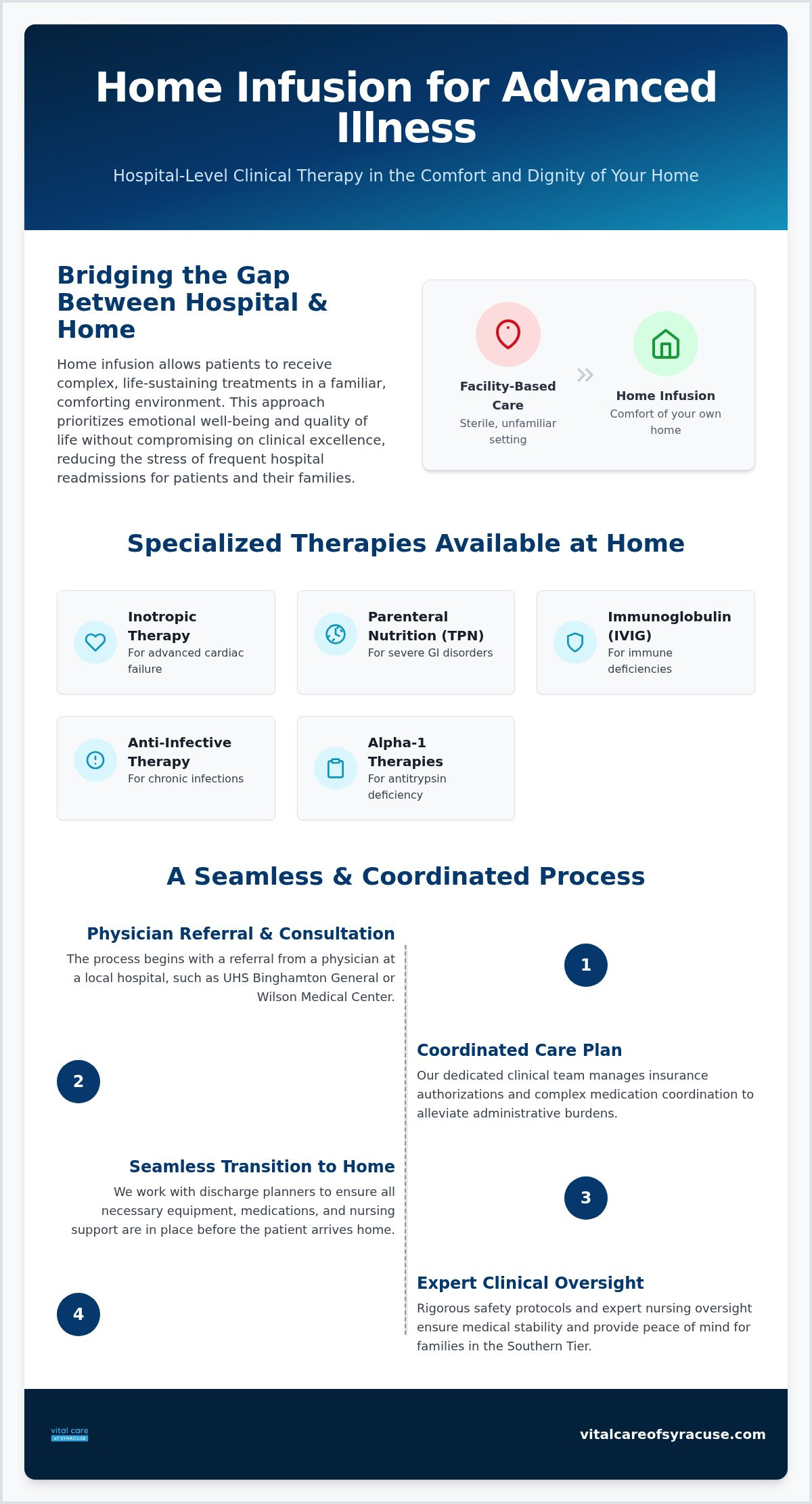
Common conditions requiring this specialized support include severe infections like osteomyelitis or endocarditis, chronic immune deficiencies, and advanced heart failure requiring inotropic support. By moving these complex treatments to the home, seniors can avoid the “revolving door” of hospital readmissions while receiving the same quality of care they would find in an inpatient ward.
The Shift Toward Home-Based Clinical Care
Hospitals across Central New York are increasingly encouraging transitions to home care for stable patients to free up acute care beds and reduce the risk of institutional complications. Modern remote monitoring technology allows clinicians to track a senior’s vitals and infusion pump data in real-time, providing a safety net that didn’t exist a decade ago. This shift supports the “aging in place” philosophy, which prioritizes keeping seniors in their communities where they feel most comfortable and empowered.
Who Qualifies for Home Infusion?
Not every patient is a candidate for home-based treatment. Medical stability is a prerequisite; the patient’s condition must be predictable enough that a 24-hour onsite physician presence isn’t required. Additionally, a supportive home environment or a dedicated caregiver is essential to assist with basic pump management and to alert the clinical team if concerns arise. Families exploring the benefits of home infusion for elderly patients usually begin with a referral from major health systems in Syracuse, Rochester, or Albany, followed by a thorough clinical assessment.
Specialized Therapies: From Anti-Infectives to Nutritional Support
Home infusion isn’t a single service; it’s a suite of clinical interventions tailored to the specific health challenges seniors face. The National Home Infusion Association highlights how these specialized treatments provide a high-standard alternative to long-term hospital stays. By bringing these therapies to the residence, we address the unique benefits of home infusion for elderly patients, such as maintaining comfort while treating serious medical conditions. This model allows for a level of personalized care that is difficult to replicate in a busy hospital ward.
Anti-Infective Therapy and Wound Healing
Treating deep-seated infections like osteomyelitis or severe cellulitis often requires weeks of intravenous antibiotics. Historically, this meant a 30-day hospital stay, but modern anti-infective therapy at home allows seniors to recover in their own environment. Anti-infective therapy serves as a critical tool for preventing sepsis in seniors by delivering potent medications directly into the bloodstream to eradicate stubborn pathogens. This approach doesn’t just improve comfort; it accelerates recovery by reducing the psychological stress often caused by institutionalization.
Neurological and Immunological Support
For seniors battling chronic autoimmune conditions, Immunoglobulin therapy (IVIG or SCIG) is a lifeline. We see significant benefits of home infusion for elderly patients with neurological disorders like CIDP or Myasthenia Gravis. Utilizing home infusion for neurological disorders Syracuse helps reduce the “treatment burden,” allowing patients to receive their regular doses without the exhaustion of traveling to a clinic. This consistency is vital for maintaining muscle strength and preventing disease flares that could lead to a loss of independence.
Nutritional Support and TPN
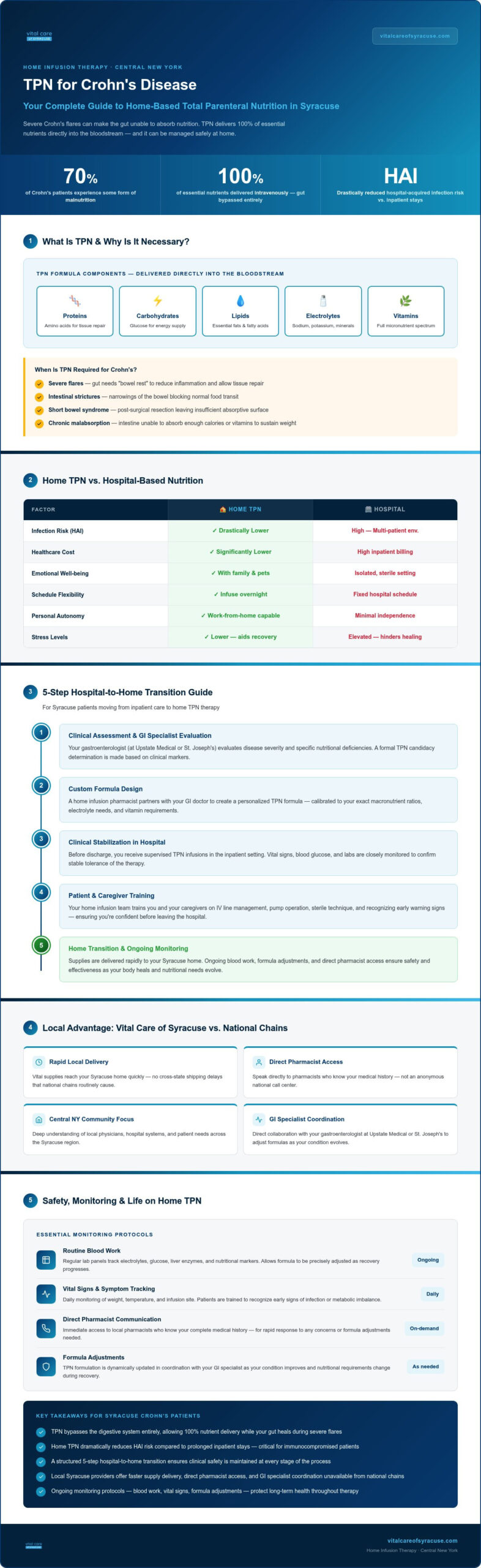
When a senior’s digestive system can no longer absorb nutrients effectively, Total Parenteral Nutrition (TPN) becomes necessary. This is often the case when home infusion for GI disorders Rochester is recommended by a specialist. Managing TPN at home requires extreme precision. Our clinical pharmacists meticulously balance proteins, lipids, and vitamins, while our nurses monitor electrolytes and regular lab work to ensure the patient remains stable. This level of support ensures that even those with complex gastrointestinal needs can receive life-sustaining nutrition without leaving home.
Finally, for heart failure patients, inotropic therapy provides essential cardiac support. This treatment helps the heart pump more effectively, managing symptoms like shortness of breath and extreme fatigue. If your family is navigating these complex medical needs, you can speak with our local specialists to discuss how specialized care can be delivered right to your loved one’s door.
Home vs. Hospital: Prioritizing Safety and Reducing Infection Risk
Choosing between a prolonged hospital stay and transitioning to home-based care is a pivotal decision for families across Central New York. While acute care facilities offer immediate medical access, they also present unique hazards for the elderly, who are often more susceptible to complications from institutional settings. One of the most compelling benefits of home infusion for elderly patients is the dramatic reduction in exposure to Healthcare-Associated Infections (HAIs). By moving treatment to a controlled, private environment, we prioritize clinical safety without compromising the quality of professional support.
Many families find themselves caught in a “revolving door” of hospital readmissions, where a senior is discharged only to return weeks later with a secondary complication. Home infusion breaks this cycle by providing a stable, consistent environment. This consistency allows the body to focus on healing rather than adapting to the constant noise, light, and interruptions of a hospital ward. When care is administered at home, the patient remains the central focus, and the risks associated with a crowded facility are virtually eliminated.
Mitigating the Risk of Hospital-Acquired Infections
National surveillance data reveals a stark contrast in safety profiles between settings. Hospitalized central line-associated bloodstream infection (CLABSI) rates in acute care settings can range from 4.59 to 6.03 per 1,000 catheter days. In comparison, home infusion patients consistently show rates below 1.0 per 1,000 days, with some registries reporting rates as low as 0.35. For seniors, avoiding pathogens like MRSA or C.diff is not just a preference; it’s a clinical necessity. Our specialized infusion nurses maintain a sterile field during every visit and provide patient-specific education to empower caregivers. This ensures that the home remains a fortress against infection, keeping your loved one safe from resistant bacteria found in clinical environments.
Clinical Outcomes and Patient Comfort
Physical healing is deeply tied to psychological well-being and rest. Elderly patients in hospitals often suffer from “hospital delirium,” a state of acute confusion triggered by unfamiliar environments and disrupted sleep patterns. At home, the preservation of a normal daily routine supports cognitive stability and emotional peace. There’s a direct correlation between the high-quality sleep achieved in one’s own bed and improved immune function. This natural boost helps the body respond more effectively to anti-infective therapies.
We recently coordinated a successful transition for a patient moving from a Buffalo hospital back to their residence in Central New York. The individual had been trapped in a cycle of readmissions due to a persistent infection. By establishing a stable home infusion regimen, we provided the clinical expertise needed to clear the infection while the patient enjoyed the comfort of their own home. Within weeks, the patient showed significant improvement in both physical strength and mental clarity, demonstrating that the home environment is often the most effective place for long-term recovery.
Maintaining Independence and Quality of Life in Senior Care
For many seniors, the preservation of dignity is as vital as the clinical treatment itself. Traditional hospital settings often strip away autonomy, replacing personal routines with institutional schedules and clinical gowns. One of the most profound benefits of home infusion for elderly patients is the ability to receive life-sustaining care without sacrificing a sense of self. By integrating medical treatments into the patient’s existing environment, we ensure that health goals are met while respecting the individual’s lifestyle and daily preferences. This approach allows seniors to remain in the sanctuary of their own homes, surrounded by familiar comforts that support emotional well-being.
Personalized care plans serve as the cornerstone of this model. We coordinate closely with existing home health agencies to ensure that infusion schedules align with other essential services like nursing visits or line maintenance. This seamless integration allows for a holistic approach to senior health, where every provider is moving in the same direction toward the patient’s recovery goals. When medical care fits into a senior’s life rather than forcing them to adapt to a facility, the results are often seen in improved spirits and a more resilient outlook on the healing process.
Empowering the Caregiver
Transitioning to home-based care requires a confident and informed support system. Our infusion pharmacy team provides comprehensive, step-by-step training to ensure family members feel equipped to handle equipment and monitor progress with ease. We offer consistent clinical support across Albany, Syracuse, and Utica, serving as a reliable partner throughout the entire care journey. This local accessibility significantly reduces caregiver burnout by eliminating the need for exhausting, frequent travel to outpatient clinics. Families can focus on their relationship and quality time rather than the logistical stress of transportation and waiting rooms.
Customized Care for Complex Conditions
Complex medical conditions require more than a one-size-fits-all approach. For those managing Alpha-1 antitrypsin deficiency therapy at home Binghamton, the ability to receive regular infusions in a familiar setting is transformative for long-term adherence. Similarly, we provide specialized bleeding disorder therapy Syracuse with a focus on precision and patient safety. Local providers tailor therapies to a senior’s specific mobility levels, ensuring that even those with physical limitations can access treatment safely. This personalized oversight ensures that the benefits of home infusion for elderly patients extend beyond the clinical to include physical freedom and genuine peace of mind.
If you’re ready to explore how these services can support your family’s unique needs while preserving your loved one’s independence, contact our Syracuse-based team to start a clinical consultation today.
Choosing a Compassionate Partner: Home Infusion in Syracuse and Central NY
Selecting a provider for a loved one is a choice that balances clinical necessity with emotional trust. While large national networks offer scale, the benefits of a local home infusion company lie in the proximity of care and the depth of the patient relationship. For families navigating a complex health journey, the benefits of home infusion for elderly patients are most apparent when the clinical team is just a short drive away. This local presence ensures that if a question arises about a pump or a catheter site, a professional who knows your name and history is ready to assist without delay.
A reliable partner must offer more than just medication delivery. You should look for a provider that combines rigorous clinical expertise with robust insurance support to navigate the complexities of 2026 Medicare requirements. Vital Care of Syracuse, locally owned since 2021, acts as this bridge. We don’t just provide the therapy; we provide the peace of mind that comes from knowing your clinical pharmacist and nurse are part of your local Central New York community. This connection fosters a level of accountability and personalized attention that distant providers simply cannot replicate.
The Vital Care Difference in Central New York
Our “compassionate expert” model is built on the belief that precision and kindness should never be mutually exclusive. We serve a broad footprint across the region, including Syracuse, Albany, Rochester, Utica, and Buffalo. This reach allows us to coordinate seamlessly with specialists at major medical centers in Rochester or Buffalo, ensuring your existing doctors remain informed of every milestone in the treatment plan. As a locally owned franchise of a national network, we offer the sophisticated resources of a large organization while maintaining the attentive, supportive touch of a neighborhood pharmacy.
Getting Started with Home Infusion
The transition from a hospital bed to home care should be a moment of relief, not a source of new anxiety. When speaking with a discharge planner or specialist, it’s helpful to ask about the provider’s experience with specific therapies like TPN or IVIG and their process for clinical support. Our team handles the heavy lifting of insurance verification and intake, working directly with your medical team to ensure all documentation is in order before the first dose is administered. We prioritize a smooth handoff so that your focus can remain on your loved one’s recovery.
If you’re ready to bring professional, compassionate care into your home, Contact the Vital Care of Syracuse team today for a consultation. We’re here to guide you through every step of the process with the expertise and genuine concern your family deserves.
Empowering Your Loved One’s Health Journey at Home
Receiving complex medical care shouldn’t mean sacrificing the comfort and dignity of home. The clinical benefits of home infusion for elderly patients include a significant reduction in healthcare-associated infections and the preservation of vital daily routines. Whether your family is managing TPN for nutritional support or IVIG for immunological health, the shift to home-based therapy provides a safer, more effective path to long-term stability. By prioritizing the patient’s environment, we support both physical healing and emotional well-being.
Vital Care of Syracuse has been locally owned and operated since 2021, serving families across Syracuse, Albany, Rochester, Utica, and Buffalo. Our team acts as a dedicated partner, bridging the gap between hospital-level precision and the sanctuary of your residence. We specialize in complex therapies and offer the steady, reliable hand you need during challenging times. Our compassionate experts are committed to excellence in every dose we prepare and every visit we make.
If you’re ready to transition toward a more personalized care model, we’re here to guide you. Request a Clinical Consultation with Vital Care of Syracuse today to discuss your loved one’s specific needs. You don’t have to navigate this journey alone; expert support is always close to home.
Frequently Asked Questions
Is home infusion therapy safe for seniors living alone?
Home infusion is safe for seniors living alone if they meet specific medical stability criteria and demonstrate they can follow basic safety protocols. Our Syracuse team performs a thorough evaluation to ensure the environment is appropriate and that the patient feels confident. If the therapy is too complex, we help coordinate with family or local support. This independence is one of the key benefits of home infusion for elderly patients who wish to avoid institutional settings.
Does Medicare Part B cover the cost of home infusion for elderly patients?
Medicare Part B covers external infusion pumps and supplies as Durable Medical Equipment for about 35 to 40 specific drugs, including TPN and IVIG. Patients are generally responsible for a 20% coinsurance after meeting their $257 annual deductible. For many other modern medications, coverage falls under Medicare Part D. In 2026, the annual out-of-pocket maximum for Part D drugs is capped at $2,100, which helps manage costs for high-expenditure specialty therapies.
What happens if there is a problem with the infusion pump at night?
If a pump malfunction or clinical question arises after hours, you have direct access to our on-call clinical pharmacy team for support. While we don’t provide 24/7 emergency medical services for life-threatening events, our specialists are available to troubleshoot equipment or therapy issues remotely. This immediate support ensures that your treatment continues safely without requiring a trip to a Syracuse or Rochester emergency room for simple technical challenges or medication questions.
How do we transition from a hospital stay to home infusion in Syracuse?
The transition begins when your hospital discharge planner or specialist sends a referral to Vital Care of Syracuse. We immediately begin the insurance verification process and coordinate with your physicians in Albany or Buffalo to ensure a seamless handoff. Once the intake is complete, our team delivers the necessary supplies and schedules the first home visit. We focus on making the shift from hospital to home as stress-free and transparent as possible for your family.
Can home infusion treat severe infections like bacteremia in seniors?
Yes, home infusion is a highly effective way to treat bacteremia and other severe infections through outpatient parenteral antimicrobial therapy. By delivering potent anti-infectives directly into the bloodstream, we can eradicate resistant pathogens while the senior recovers in a low-stress environment. This approach significantly reduces exposure to hospital-acquired pneumonia or C.diff, which are common risks for elderly patients in acute care facilities across Central New York.
What is the difference between home infusion and a skilled nursing facility?
Home infusion allows a senior to receive specialized clinical treatments like TPN or IVIG in their own residence, whereas a skilled nursing facility is an institutional setting. Home-based care preserves the patient’s dignity and autonomy by keeping them in a familiar environment. It also offers a lower risk of infection compared to shared facilities. This model highlights the benefits of home infusion for elderly patients who want professional medical support while maintaining their normal daily routines.
Will a nurse be present for every infusion session?
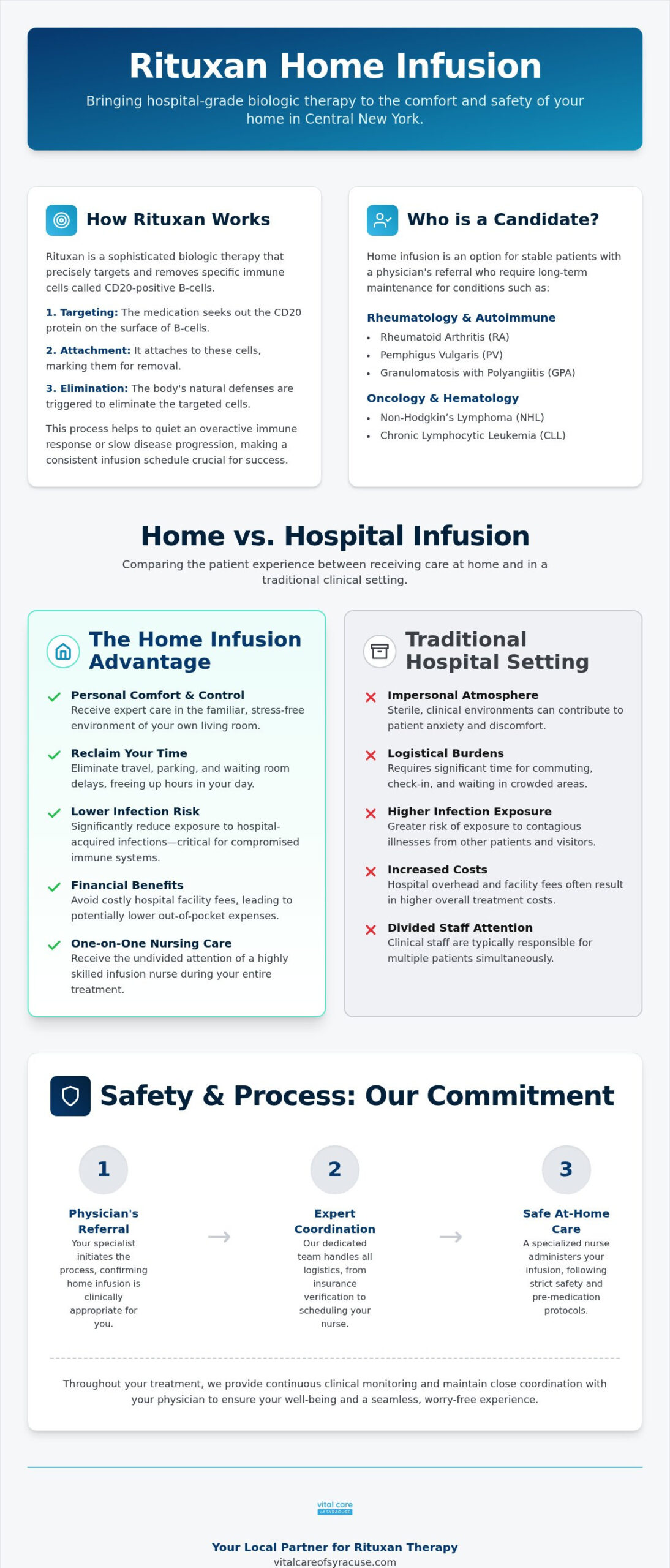
Nursing presence depends on the specific therapy and the patient’s ability to manage the equipment. A specialized infusion nurse is always present for the initial teaching session and for complex administrations like certain biologics. For many daily anti-infectives, the nurse provides training so the patient or a caregiver can manage the infusion independently. We continue to provide intermittent nursing visits for catheter site maintenance and to monitor the senior’s overall clinical progress.
How long does a typical course of home antibiotic therapy last for elderly patients?
The duration of therapy depends entirely on the type and severity of the infection being treated. A standard course for a soft-tissue infection might last 10 to 14 days, while more deep-seated issues like endocarditis or osteomyelitis can require six weeks or longer. Our clinical pharmacists in Syracuse monitor the senior’s lab work throughout the process to ensure the therapy is effective. We work closely with your infectious disease specialist to determine the exact length of treatment needed.
Leave a Reply